

In the United States, employers are drawn to the employee performance monitoring software revolution
At the dawn of the transformation of work, a troubling phenomenon is settling into American companies. Leaders, faced with the rise of remote work, are adopting digital surveillance tools to monitor their employees. These software programs, far from being mere aids, raise fundamental ethical questions. *The dehumanization* of work and the feeling of distrust are becoming concerning realities. *Could the obsession with productivity* undermine trust within teams? *Is the fine line* between performance tracking and digital intrusiveness eroding at the expense of the human essence of work?
The rise of workplace surveillance software
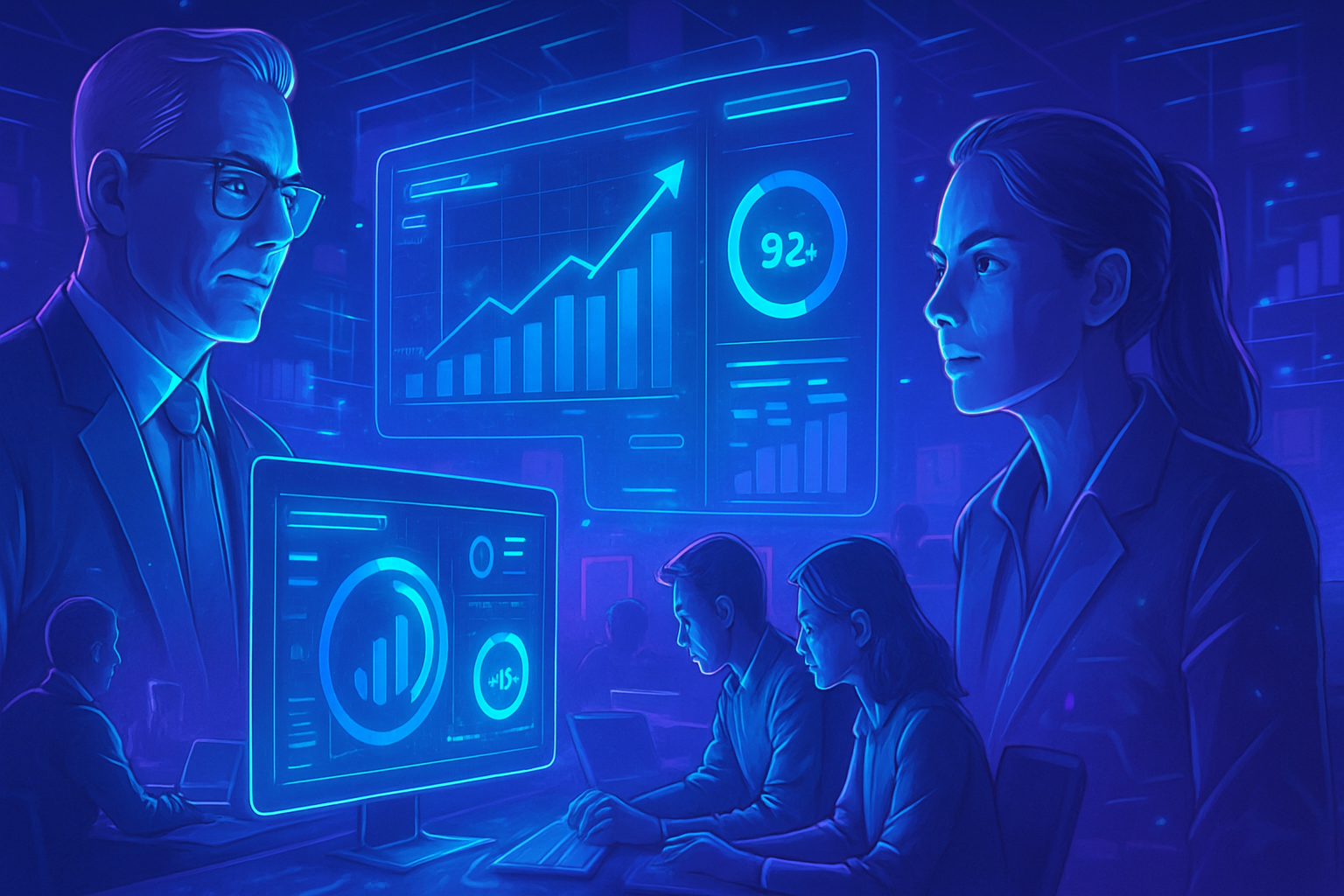
American companies are increasingly adopting surveillance software to control their employees’ performance, especially with the rise of remote work. This trend has sparked lively debate over the legitimacy and ethics of such tools. Applications like ActivTrak, Teramind, and Hubstaff allow employers to monitor their employees’ digital activity, ranging from analyzing visited websites to taking regular screenshots.
A bitter sentiment among workers
The reaction of employees to this surveillance is generally negative. Jonathan Schoenberg, creative director of an advertising agency, describes these tools as “fascist,” denouncing an alienating control mentality. For him, such surveillance leads to fallacious judgments about employee effectiveness, like when an absence to meet with a client is interpreted as wasted time.
The importance of monitoring in remote work
Amit Raj, head of the Scottish company The Linksguy, advocates for a measured use of these tools. For him, in a remote work situation, minimal monitoring is necessary to ensure good communication within teams. His approach emphasizes dialogue and transparency, informing employees at their hiring that digital surveillance is part of the work arrangements.
A widespread phenomenon
This phenomenon is not limited to a few companies. Research conducted by Arnd Vomberg, a professor at HEC, highlights the widespread use of tracking software in professional environments. Commercial platforms enable leaders to monitor the performance of sellers and optimize customer interactions through collected data.
The stakes of excessive control
Excessive performance control can have notable consequences on the social climate of an organization. Employee testimonies reveal a climate of distrust, where everyone feels under the inquisitive eye of technology. The fear of a poor evaluation can undermine motivation and stifle creativity, which are fundamental ingredients for the success of an innovative company.
A necessary reflection on work-life balance
This technological evolution also raises questions about the boundary between professional and personal life. Employees, often seeking balance, feel the encroachment of these measures on their free time. Various bodies are therefore calling for an in-depth debate on the ethics of surveillance in the workplace, aiming to protect workers’ rights while preserving the necessity of performance.
Calls for regulation
In the face of these growing issues, some experts advocate for a strict regulation of surveillance tools. Companies should adopt transparent and ethical practices, fostering a more respectful work environment. The impact on employee well-being must be a central element in discussions about the effectiveness of this technology.
To learn more about the impact of AI, check out this article on Alexa’s launch by Amazon or explore this news on AI in China to understand how these innovations are transforming the world of work.
The new methods of performance assessment require increased vigilance. Companies must ensure they do not sacrifice human relationships in favor of strict electronic control. Considering current technological advancements, the challenge lies in creating a work environment where innovation and productivity do not compromise employee well-being.
Frequently Asked Questions About Employee Performance Monitoring Software
What are the main performance monitoring software used by American companies?
American companies use software such as ActivTrak, Teramind, Time Doctor, WorkExaminer, and Hubstaff to monitor the performance of their remote employees.
How do surveillance software affect employee productivity?
While some employers believe that surveillance improves productivity, many employees feel pressured, which can lead to decreased motivation and job satisfaction.
Should employees be informed about the use of performance monitoring software?
Yes, it is recommended that companies clearly inform their employees about the use of monitoring software at the time of hiring to establish transparent expectations.
What is the employee reaction to digital surveillance in their daily work?
Many employees express discomfort or dissatisfaction with digital surveillance, viewing it as intrusive and likely to undermine trust between employers and employees.
Are there regulations regarding employee surveillance in the United States?
In the United States, there are no specific federal laws regarding employee surveillance, but some state regulations may impose restrictions on the extent and manner in which these tools can be used.
Are tracking software considered effective for assessing employee performance?
According to some experts, these tools can provide insights into employee activity, but they do not offer a complete assessment of performance, as they may penalize proactive behaviors such as client meetings.
How can companies balance employee surveillance and respect for their privacy?
Companies should implement transparency policies, clearly communicate the objectives of surveillance, and ensure that collected data is used ethically and responsibly.
What are the ethical issues related to the use of employee surveillance software?
Ethical issues include violation of privacy, reduction of trust between employers and employees, and the potential to create a stressful work environment.