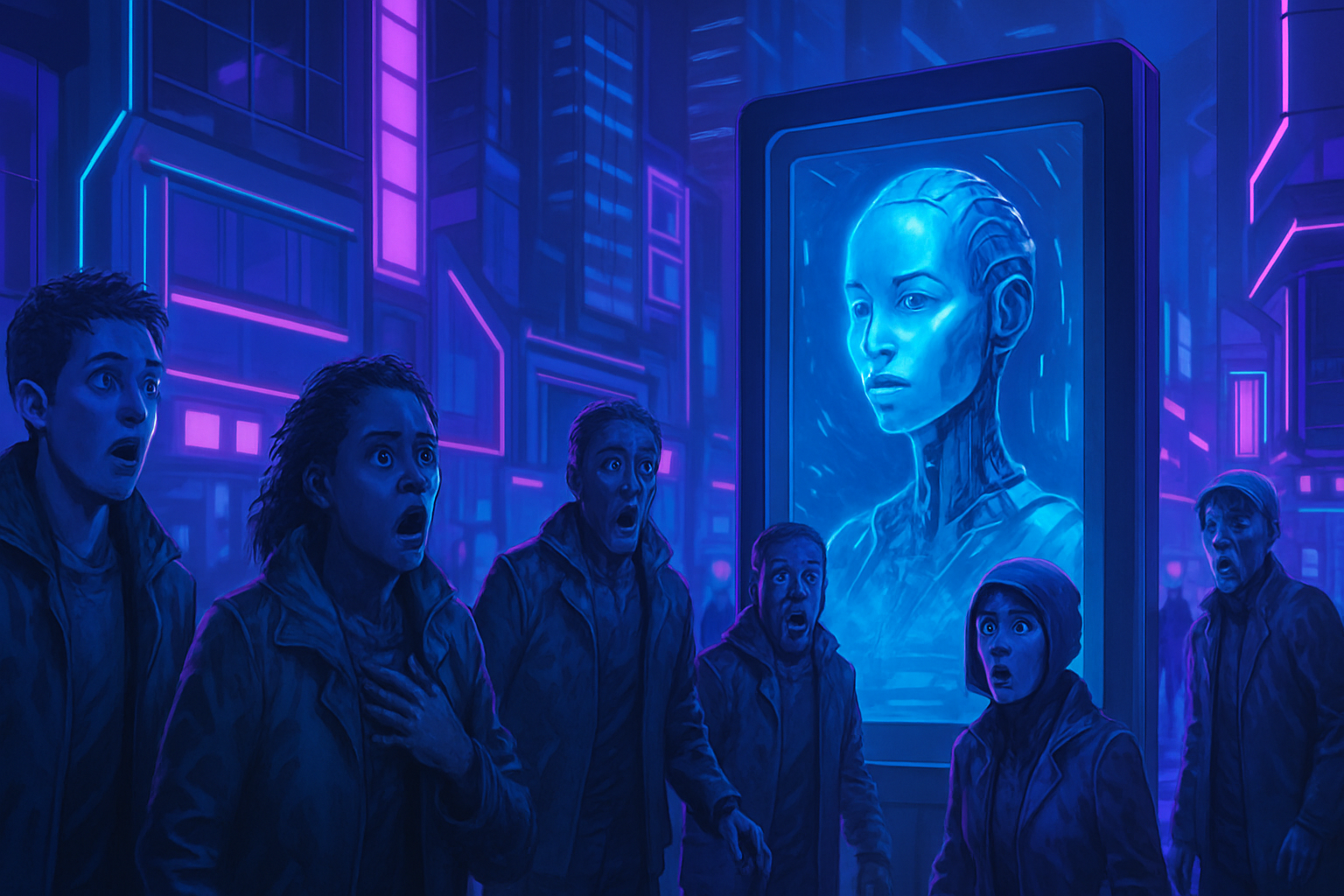


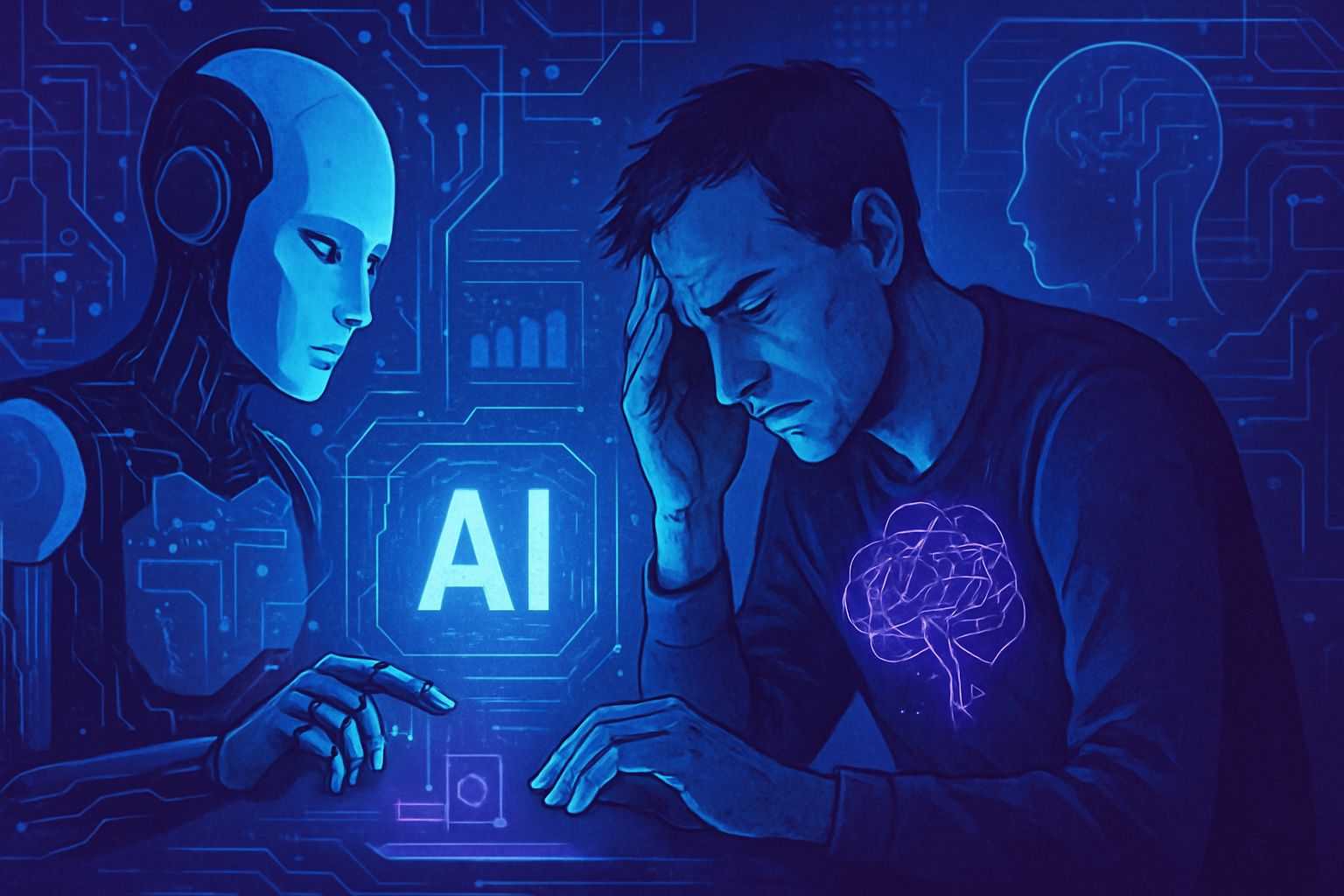
The obsession with AI leads to an alarming deterioration of our human skills, which are essential to our intellectual substrate. Companies are investing heavily in these technologies, but this dependence stifles our analytical and creative abilities. The promise of increased efficiency may mask a troubling drift: *a deficit of human skills*, compromising the potential of artificial intelligence itself. The future lies in mastering unique abilities that promote harmony between humans and machines.
The dependence on AI and its consequences for human skills
A growing concern emerges regarding the increasing dependence on artificial intelligence (AI) tools. Studies urge reflection on how this dependency could erode the essential human skills needed for effective use of these technologies. Modern research highlights that a deficit of human skills, linked to excessive use of AI, constitutes a barrier to its successful adoption, thereby compromising prospects for economic growth.
Experts’ warning signs
Institutions like MIT warn about the dangers of a blind plunge into AI. Business leaders claim that everyone is investing in AI, fearing they will fall behind. The numbers are quite encouraging: Accenture predicts that AI could inject 736 billion pounds into the UK economy. Nevertheless, this euphoria conceals a worrying reality about the repercussions of AI on our intellectual agility.
The Multiverse report: a serious warning
A recent report from the learning scientists team at Multiverse highlights an essential aspect often overlooked: excessive focus on AI at the expense of human skills. Gary Eimerman, Chief Learning Officer, emphasizes that even if organizations spend millions on AI tools, their success will depend on valuing human capabilities rather than just a technological approach.
Human skills: the keystones of the future
Research has identified thirteen critical skills that differ from merely formulating instructions for AI. Among them, critical thinking allows examination of a complex problem, while creativity drives innovation in the use of AI tools. Being in control of AI requires solid reasoning and sharp critical thinking.
The stance of an adept AI user also rests on personal character traits. Determination and adaptability are vital to adjust to the often inaccurate responses of machines. Indeed, the ability to persevere, even in the face of inconclusive results, remains a valuable asset in the AI ecosystem.
The necessity of education for the future
Imogen Stanley, Senior Learning Scientist, insists on the importance of focusing on human skills within teams. The development of skills such as ethical oversight, result verification, and creative experimentation is vital to make the most of AI. The distinction between passive AI users and active pilots should be at the heart of future training.
An open reflection on how education and professional training must evolve is essential. The current dominance of technological considerations risks inhibiting the human creativity needed to effectively integrate AI into the professional world.
The stakes of the future
Achieving a balance between artificial intelligence and the preservation of human skills is not only necessary but imperative. If companies focus solely on technology, they risk losing the ability to question and innovate. The harmonious integration of these two dimensions could well define future economic successes.
The looming risk is to build a future where individuals have all the answers but have forgotten how to ask the right questions. To accompany this technological revolution, companies must therefore reassess their training and talent development strategies.
For more information on these issues, events like the AI & Big Data Expo offer a space for reflection and learning dedicated to new trends in AI.
Questions and answers about the obsession with AI and the threat to our human skills
How does the obsession with AI affect our human skills?
The obsession with AI can lead to an excessive dependence on these tools, which may diminish our ability to think critically, solve complex problems, and demonstrate creativity.
Which human skills are threatened by the excessive use of AI?
Skills such as analytical reasoning, creativity, and adaptability are particularly at risk. Users may become passive, no longer seeking to improve their skills.
Why is it important to maintain a balance between AI and human skills?
Maintaining this balance is crucial to ensure that AI tools are used effectively, complementing our human skills rather than replacing them, thus fostering innovation and productivity.
What risks do companies run if they do not develop the human skills of their employees in the context of AI?
Companies risk ending up with investments in AI that do not yield expected results, which can lead to a loss of competitiveness in the market.
How can organizations help develop human skills in the face of AI?
Organizations can promote continuous training by emphasizing skills such as critical thinking, ethics, and creative experimentation, while integrating these elements into their AI projects.
Can the development of human skills really improve the use of AI in companies?
Yes, the development of human skills not only allows for a better understanding of the limitations of AI but also enables full exploitation of its potential, which should lead to better and more innovative outcomes.
What types of training can strengthen human skills related to AI?
Training focused on solving complex problems, managing projects involving AI tools, and ethical decision-making is particularly effective in strengthening these skills.
How can I assess if I am too dependent on AI in my work?
Evaluate your ability to solve problems without the help of AI tools. If you feel lost without these tools or struggle to perform basic tasks without their assistance, it’s time to reconsider your dependence.