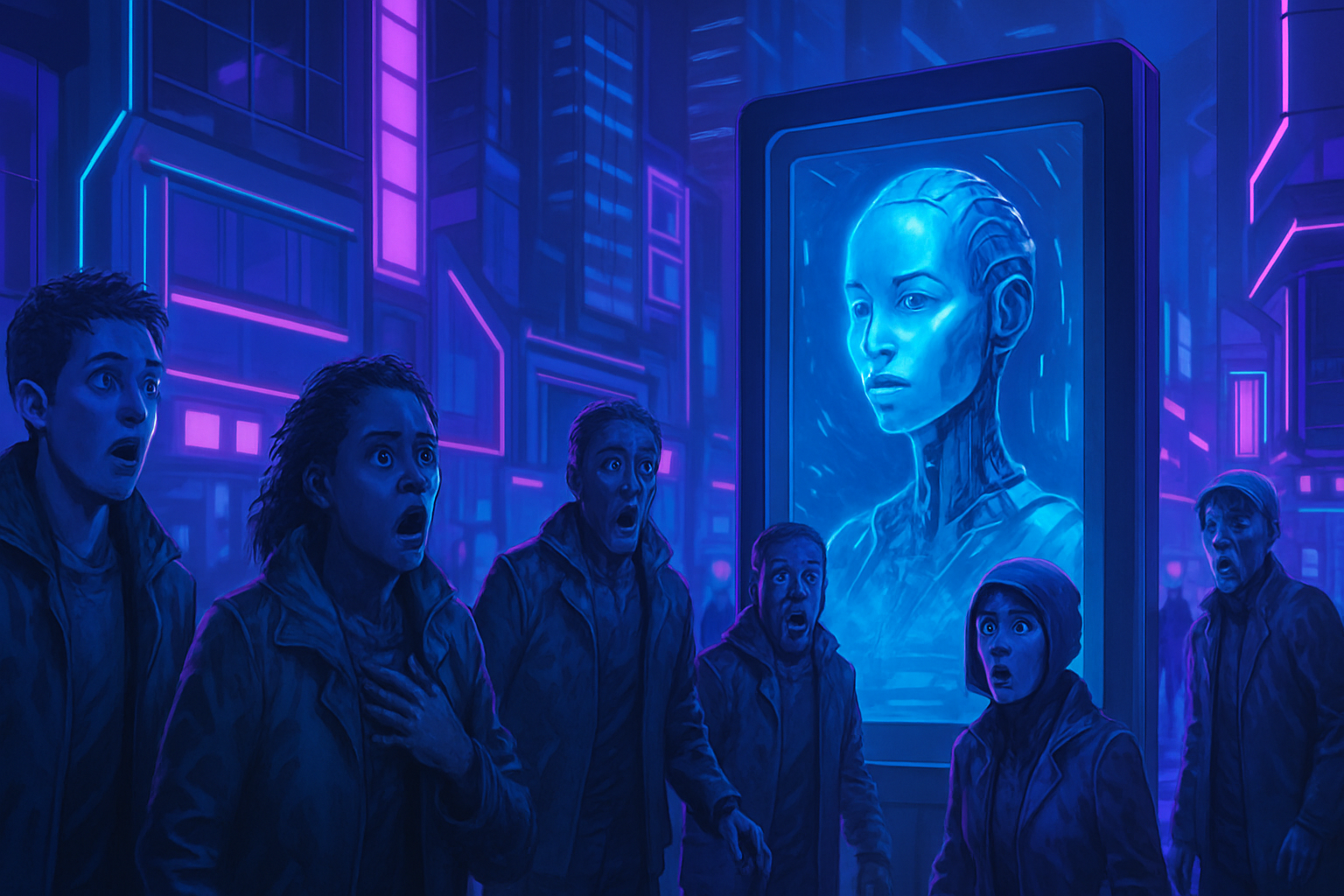


The increasing automation raises deep questions among human resources professionals. The reluctance to entrust the management of working hours to artificial intelligence reveals critical issues. The fear of an overload of schedules remains omnipresent, while some consider a more flexible planning. The role of managers is redefined in this complex equation. AI, although innovative, raises dilemmas regarding its impact on the collective organization of work.
The hesitations of HR professionals towards artificial intelligence
The use of artificial intelligence to automate the organization of working hours raises significant questions among human resources professionals. At the HR Meetings held on March 6 in Paris, a consensus emerged: the fear of work intensification and a questioning of the role of managers prevails within the HR community. The issues surrounding this technological evolution spark debates.
Impact on the management of working hours
Marie Benedetto-Meyer, sociologist and specialist in digital tools, highlighted the central role of time management in the organization of work. She emphasizes that it is a dimension that is both individual and collective. Work collectives are diversifying, making planning complex. This variability of schedules and skills requires particular attention, as each employee has distinct needs and preferences.
Digital tools, especially those relying on predictive algorithms, promise better optimization. However, their use is not without risk. An amphitheater of experts has warned about the danger of overloading schedules, thereby affecting employee wellbeing.
Concrete applications of AI
Corentin Travers-Lesage, director of organization and workplace health at DomusVi, discusses a concrete experience. His company is exploring AI-assisted planning to address the specific challenges of caregiving professions. Workdays can extend up to twelve hours, necessitating increased flexibility. The introduction of AI should allow for the creation of diverse schedules that reconcile the needs of the business with the wishes of employees.
Each employee can thus express their preferences, whether it’s for morning work or returning to a seven-hour daily rhythm. AI could, in theory, lighten the planning burden that already weighs on managers. However, HR professionals remain skeptical of this promise.
Organizational and human stakes
The management of working hours by artificial intelligence is not merely a technical issue. It touches on fundamental organizational and social stakes. The duty of those in charge of human resources is to ensure a balance between economic efficiency and quality of work life. This delicate mission requires caution and discernment before any widespread adoption of new technologies.
The warning signals are numerous. HR professionals must consider the social cost of such a transformation. Missteps in the integration of AI can lead to increased resistance from teams, undermining the company’s dynamics. The challenge, therefore, is to combine innovation with a human approach.
Reflections and perspectives
The debate on the use of artificial intelligence in the organization of work continues to intensify. The growing complexity of jobs and teams makes in-depth reflection essential. It is imperative that human resources professionals anticipate the consequences of such automation.
For HR professionals, the challenge is not only to equip themselves with the best technologies but also to ensure that these solutions serve the interest of employees while preserving the integrity of the managerial role. The road ahead remains fraught with obstacles, requiring a balance between technological innovation and prioritizing human relationships.
To learn more about the applications and regulations surrounding artificial intelligence, articles available on Zendesk, DeepSeek, and robotics provide complementary insights.
The discussions surrounding the latest advancements, such as Copilot Search and Manus AI, illustrate the complexity of integrating AI into the professional world.
Frequently asked questions about the use of AI in the organization of working hours by HR professionals
Why are HR professionals hesitant to use artificial intelligence to manage working hours?
HR professionals fear that using artificial intelligence will lead to a loss of control over the management of working hours, thereby affecting their role in organization and planning, and risking overwhelming employees with excessive workloads.
What are the potential advantages of AI in schedule management?
AI can offer more flexible planning solutions tailored to the needs of employees, considering their preferences and availability while improving overall operational efficiency.
How can AI help reduce the workload of human resources managers?
By automating repetitive tasks and providing predictive analytics, AI can alleviate the burden on HR managers, allowing them to focus on more strategic and human aspects of personnel management.
What concerns are there about employees’ schedules being overloaded by AI?
There are concerns that AI could generate overly congested schedules, to the detriment of employees’ mental health and well-being, who might feel pressured by increased work demands.
Can AI take into account individual differences in schedule management?
Yes, AI tools can be designed to analyze individual differences such as employee experience and skills to create more personalized schedules tailored to the specific needs of each employee.
Do HR professionals believe AI can replace the role of managers?
No, the majority of HR professionals believe that AI should not replace managers but rather assist them in their functions, ensuring that strategic decisions remain humanized and employee-centered.
What are the responsibilities of HR professionals regarding the risks associated with using AI?
HR professionals must carefully assess the implications of AI on employee well-being, ensure open communication about the changes made, and ensure that the use of these technologies is ethical and beneficial.
How can companies ensure a successful transition to using AI in working time management?
A successful transition requires adequate training for employees, transparent discussions about the changes, as well as preliminary testing to ensure that AI truly meets the needs of the organization.