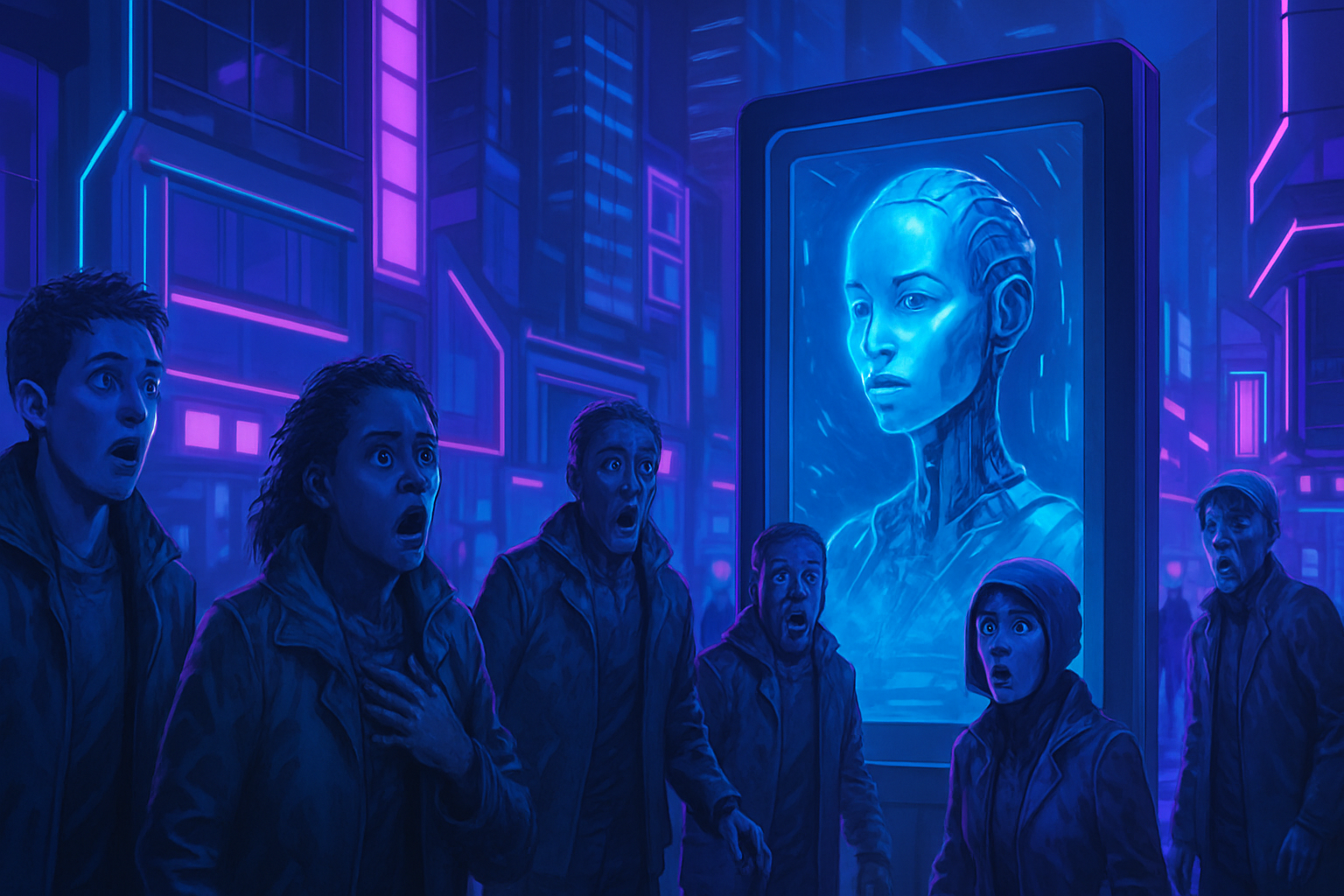


The mishaps with artificial intelligence are generating increasing interest among technology enthusiasts. *Chatbots, although impressive, are not infallible* and sometimes generate surprising responses. The failures associated with these systems reinforce the need for heightened vigilance towards these innovative tools.
*Narrating unusual anecdotes allows for a better understanding* of the limits of AI. Each story reveals a troubling facet of this rapidly evolving technology. Sharing these experiences is a valuable opportunity to (re)discover the contemporary issues related to artificial intelligence.
Chronicles of Failures
Mishaps with artificial intelligence systems are not uncommon. From calculation errors to absurd responses, each user can recount a disastrous experience. The phenomenon is particularly striking in interactions with chatbots, often perceived as reliable assistants, but sometimes they seem driven by absent logic.
Humorous Examples of Interactions
For instance, one remembers a road trip in Italy recommended by ChatGPT, which directed its user to Maubeuge, an unknown city on the route. The suggestion to include this destination reflects the risk of allowing *AI* to assume decision-making responsibilities without verification. The anecdote illustrates the pressing need to deepen our learning about these tools.
Fact-Checking Errors
Recent trials with Gemini, offered by Google, have raised ethical issues when this AI presented a bizarre portrayal of historical figures. Presenting Jacques Chirac as an old Bolivian flamenco dancer exemplifies a distortion of facts that fuels user distrust. This type of interaction goes against the expectations of a tool designed to inform.
A Decline in the Face of Ridicule
Lucie, a French AI, clearly suffered from her inability to treat questions seriously. Responding “1” to the question “what is the square root of a goat?” led to her *quick deactivation*. The mockery from internet users reveals how vigilant the public remains toward technology, desiring effective and relevant tools.
Excesses of Image Generators
The AI-generated image feature of Gemini was suspended following criticism concerning fanciful historical ethnic representations. This decision highlights the disastrous consequences of an algorithm that was supposed to be a model of creativity, but in fact, turned out to be a monumental failure. Cultural sensitivity and historical accuracy must prevail in the design of these technologies.
Technology-Related Risks
A study estimated that *90% of the travel routes* suggested by ChatGPT contained errors. Visiting a museum closed for fourteen years in Berlin represents a logical dead end. This illustrates the necessity of combining *artificial intelligence* with human knowledge to avoid inappropriate decisions, which could lead to inconveniences during travel.
Call for Testimonials
Users are invited to share their experiences of inappropriate interactions. Expected details include a precise context, the query posed, and the response received. The collection of these anecdotes highlights the inadequacy of responses provided by AI systems and underscores the importance of vigilance in their use.
The Role of AI in Our Daily Lives
The growing integration of AI into various sectors raises questions about its long-term impact. The trailing systems must prioritize accuracy to avoid undesirable disruptions in fields such as health or education. Public participation in this conversation can guide the responsible and ethical development of this technology.
Regulations and Expectations
Contributions and their contents must comply with current legislation. The quality of writing will be reviewed to ensure that the conveyed message has appropriate reach. Strict rules govern the submission of new ideas, while maintaining *the anonymity* of participants upon request.
The Limits of AI
The current capabilities of AI show clear limitations. When it comes to handling topics requiring judgment or critical evaluation, it appears that humans must remain in control. The biases and prejudices embedded in training data can amplify critical errors, necessitating heightened vigilance to avoid discrimination or misinformation.
Frequently Asked Questions
What are the main mishaps encountered by users with artificial intelligence in the realm of chess failures?
Users have often reported irrelevant opening recommendations, erroneous game analyses, and even technical failures during competitions. These errors can skew users’ game strategies, sometimes leading to unexpected defeats.
How can I share an anecdote about errors involving an artificial intelligence?
To share an anecdote, simply describe the context of your experience, the request you made to the AI, the response received, and the consequences of that interaction. You can send your testimony via the appropriate channels indicated in the calls for contributions.
What precautions should I take when using artificial intelligence for my chess games?
It is advisable not to rely solely on AI advice for making crucial decisions during games. Use them as a complementary tool while keeping your own critical sense and knowledge of chess.
Can AI analyses be used to improve one’s chess game?
Yes, analyses provided by artificial intelligences can greatly help in identifying errors in your game and establishing solid strategies. However, it is essential to compare these analyses with advice from human experts.
How has artificial intelligence changed the way chess is played?
Artificial intelligence has revolutionized chess learning, making strategic data and analyses more accessible to players of all levels. This has led to a significant improvement in players’ skills and tactics, while increasing competition.
What are the risks associated with dependence on artificial intelligence in chess?
Excessive reliance on AI can lead to a decline in players’ intuition and personal strategic abilities. It can also lead to unrealistic expectations regarding their performances based on AI advice.
How can chess benefit from the use of artificial intelligence without suffering negative consequences?
To make the most of it, it is essential to combine AI with traditional chess learning, maintaining a good practice of the game’s fundamental principles and ensuring that AI does not replace personal reflection.
What humorous experiences with the use of artificial intelligence can you share regarding chess?
Many users have recounted comedic situations where the AI suggested absurd or impractical strategies, such as insisting on a very risky inappropriate opening, leading to both entertaining and disastrous outcomes during their games.