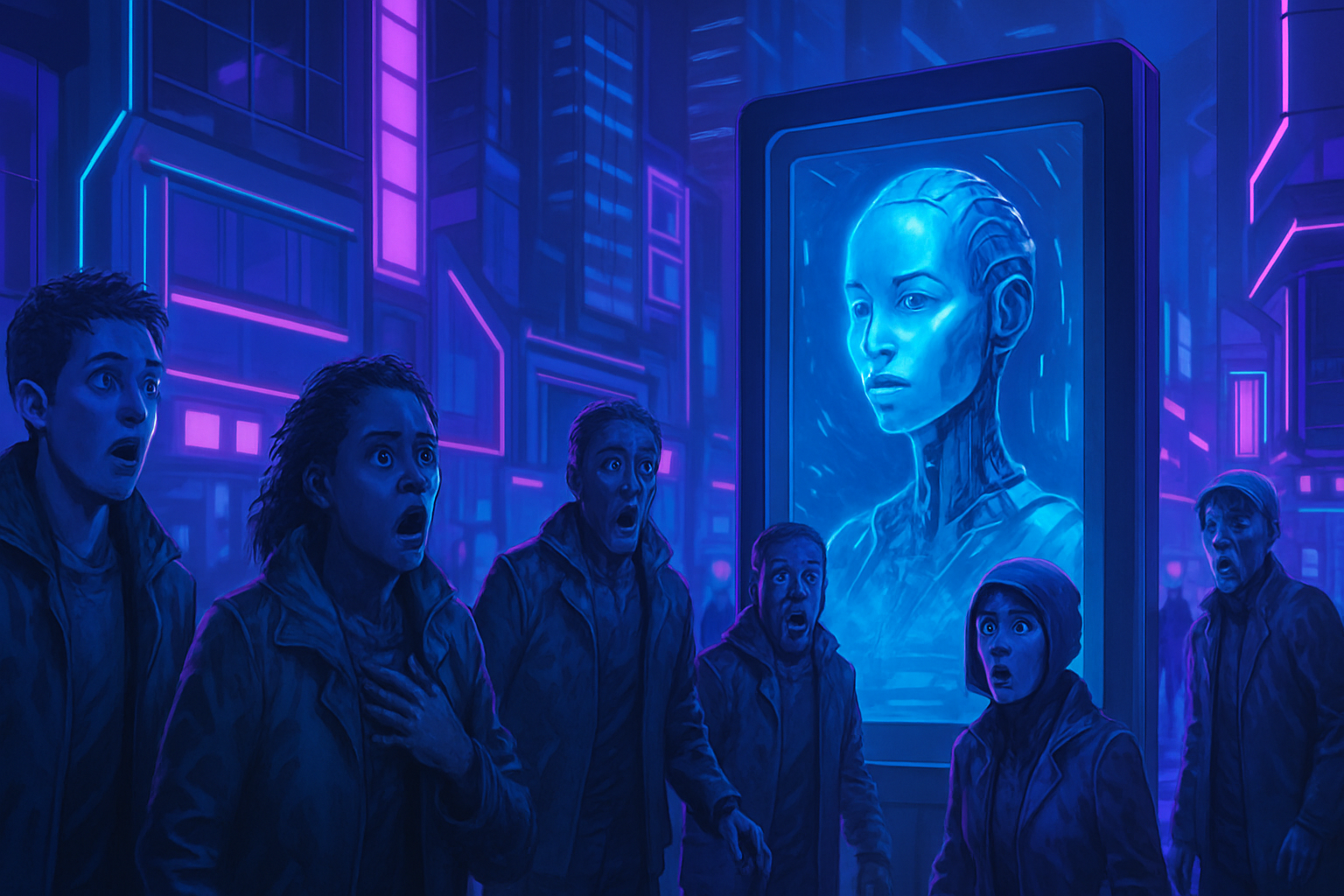


The digital revolution is accelerating with Sora 2, a tool from OpenAI transforming the landscape of deepfakes. The rise of this generational technology raises *deep questions* about the integrity of artistic creations. Hollywood expresses serious concerns about a demonetization of fictional videos, questioning the respect for copyright. *A real paradox* emerges: the freedom of creation clashes with the imperatives of preserving artists’ rights. The Cameo feature, allowing users to embody any character, opens a chaotic field of possibilities, where the *risk of misuse* is never far away.
Sora 2: An unprecedented innovation from OpenAI
The recent mobile application launched by OpenAI, titled Sora 2, captures attention with its ability to generate innovative and sometimes bewildering videos. Sora 2, an advanced version of its AI video creation tool, allows users to create videos featuring characters, including those from the collective imagination. The app’s possibilities include generating varied scenes, ranging from hilarious parodies to astonishing fanfictions.
A controversial feature: Cameo
The flagship feature of this application, named Cameo, offers users the opportunity to insert their own appearance into different scenes. This capability raises serious ethical questions, as it allows the replication of the appearance and voice of any verified user. Even characters from popular movies or series can be integrated into these creations, raising significant concerns in the film industry.
Reactions from the artistic community
Hollywood is reacting strongly to this innovation. Film studios are paying close attention to the implications of using deepfakes, a particularly sensitive area. The Creative Artists Agency (CAA) has expressed major concerns about the impact that Sora 2 could have on artists’ intellectual property. According to them, OpenAI risks ignoring fundamental copyright principles by allowing the theft of creative content without explicit consent.
Fears of the film industry
The concerns of studios are not limited to copyright alone. Works created on Sora 2, which blend imagination with reality, could potentially harm the image of certain works and personalities. Charles Rivkin, CEO of the Motion Picture Association of America, demands immediate actions from OpenAI to counter copyright violations, emphasizing the need for strict regulation. He wants the company to recognize its responsibility and take measures to prevent such abuses from continuing.
A precarious balance between creativity and intellectual property
Sam Altman, CEO of OpenAI, has indicated that a review of the platform’s operating principles is underway. While planning for increased oversight by rights holders is considered, concerns remain intact. The transition to such an approach requires a clear definition of where AI-generated creativity begins and ends. This challenge becomes even more complex in light of proposed changes for the rights of character exploitation.
The creation of an adapted legislative framework
The debates surrounding Sora 2 highlight the need for a legislative and ethical framework concerning deepfakes. As the capabilities of artificial intelligence increase, existing laws seem inadequate to regulate these new technologies. Enforcing creators’ rights while allowing technological innovation poses a delicate balance to achieve. The responses to these challenges will determine the future of entertainment and how the public interacts with technology.
The controversy raised by Sora 2 marks a new era in the relationship between artificial intelligence and the creative world, posing essential questions about responsibility, consent, and authenticity. The stakes will remain high as long as users continue to explore the possibilities offered by this fascinating yet contested technology.
Frequently Asked Questions about Sora 2 and OpenAI’s deepfakes
What is Sora 2 and how does it work?
Sora 2 is a mobile application launched by OpenAI that allows users to create and share AI-generated videos. Using deepfake technology, Sora 2 enables users to insert themselves and their friends into virtual scenes by mimicking their faces and voices.
Why is Sora 2 concerning Hollywood?
Hollywood is worried about the implications of the deepfakes generated by Sora 2, as it raises questions about copyright and the unauthorized use of images and voices of public figures without their consent.
Are deepfakes generated by Sora 2 legal?
While Sora 2 has restrictions on using the faces of celebrities without consent, users can still create videos with fictional characters, raising complex legal questions regarding intellectual property.
How does OpenAI ensure that Sora 2 respects copyright?
OpenAI has announced measures to give rights holders more control over the use of their characters. In the future, they will need to explicitly authorize the representation of their works in Sora 2.
What are the main features of Sora 2?
Among the main features, Sora 2 offers the Cameo function, which allows users to insert themselves into generated scenes, and to authorize others to use their appearance in AI-generated videos.
What types of content can be created with Sora 2?
Sora 2 users can create a variety of content ranging from funny and parody videos, to grotesquely styled fanfictions, based on fictional characters and interpreted by AI.
How can users sign up and use Sora 2?
Currently, access to Sora 2 is limited to a certain number of users in the United States and Canada. Interested users can sign up through the mobile app, and identity verification is required to use certain features.
What risks do the deepfakes generated by Sora 2 present?
Deepfakes can harm the reputation of individuals, create misinformation, and infringe copyright. These risks have drawn particular attention from studios and copyright officials.
What is the Cameo concept in Sora 2?
Cameo is a feature that allows users to insert themselves into any video generated by Sora 2 and to authorize other users to use their appearance, raising ethical concerns about digital representation.
What changes does OpenAI plan for Sora 2 in response to Hollywood’s concerns?
OpenAI has mentioned changes aimed at providing better control to rights holders regarding the use of their characters in Sora 2, seeking to address Hollywood studios’ concerns about intellectual property.