

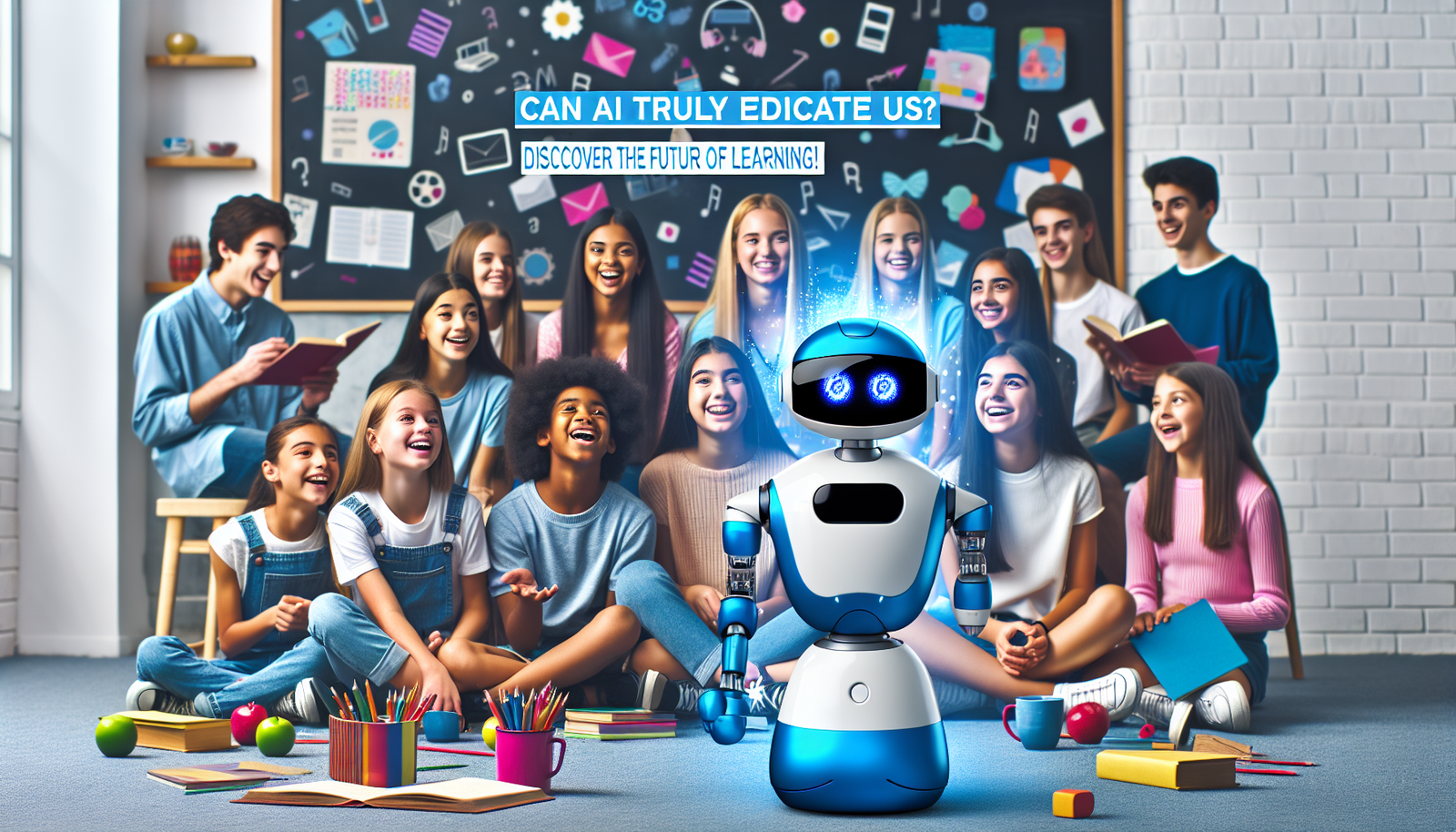
Artificial intelligence is redefining traditional educational paradigms. The challenges of modern education demand bold reflection on the future of learning. Educational systems must adapt to the requirements of a constantly evolving population. Every student deserves a personalized educational path capable of stimulating their unique potential. The integration of AI raises essential questions about the role of teachers, the nature of learning, and innovative teaching methods. How will AI-based tools transform every classroom into an intuitive and responsive space?
The educational transformation through artificial intelligence
Remarkable progress in the field of artificial intelligence (AI) is rapidly transforming the educational landscape. Learning systems integrating AI are emerging as promising alternatives to meet the needs of a constantly growing student population. The use of these revolutionary technologies allows for a rethinking of traditional teaching methods.
The impact of AI on personalized learning
One of AI’s major contributions to education lies in its ability to provide personalized learning experiences. Platforms like Quizlet use adaptive learning systems to create customized educational paths. These tools analyze what students already know and identify areas for improvement, thus facilitating a truly individualized approach.
International initiatives for integrating AI
Countries like the United States, China, the United Kingdom, and Singapore currently hold a leadership position in integrating AI into their educational systems. Singapore, for example, has launched the “Smart Nation” initiative, aimed at helping teachers adapt their pedagogy to meet the specific needs of each student, particularly those with special needs.
Challenges of integrating AI into education
Despite the considerable benefits of AI, various challenges remain. The digital divide persists, particularly in rural areas, where access to the internet and the necessary technologies is lacking. Bridging this gap will require concerted efforts between government, private enterprises, and educational institutions.
Another obstacle lies in preparing teachers to integrate AI into their teaching methods. Mastery of the fundamentals related to machine learning and AI becomes essential to effectively guide learners. Investing in teacher training and professional development is an imperative necessity.
AI and support for teaching
AI is not limited to automating administrative tasks. It also participates in optimizing teaching processes by providing powerful analytical support. For example, it examines performance data to identify areas for student improvement, such as those in section D in chemistry, and recommends targeted resources to address their difficulties.
Future perspectives of AI in education
Although AI will not replace the fundamental role of teachers, its potential to transform education is undeniable. Automating administrative tasks, providing instant feedback, and offering personalized learning experiences could free teachers to focus on essential skills such as creativity and critical thinking.
For AI to truly transform the educational landscape, it is vital to tackle existing challenges, including the digital divide and teacher preparation. Overcoming these obstacles will allow AI to become a powerful tool for democratizing education, ensuring that every student has access to quality learning opportunities.
Frequently asked questions about artificial intelligence and education
What is the role of artificial intelligence in modern education?
Artificial intelligence plays a crucial role in personalizing learning, automating certain administrative tasks like grading, and providing student performance analytics to help educators adapt their pedagogy.
How can AI improve the learning experience of students?
Through adaptive learning systems, AI allows for the creation of personalized paths based on the needs and abilities of each student, thus offering targeted support and specific resources to enhance their success.
Can artificial intelligence replace teachers?
No, AI cannot replace teachers. It serves as a tool to support them, allowing them to focus more on human interaction, fostering creativity, and developing socio-emotional skills in students.
What are the challenges of integrating AI into the educational system?
The main challenges include the digital divide, access to technology for all students, and the need to train teachers on the use of AI tools so they can effectively integrate them into their teaching.
How can artificial intelligence help meet the needs of struggling students?
AI can analyze student performance to identify those who are struggling and recommend specific interventions, such as additional educational resources or personalized support, to help them make progress.
What examples of AI use in classrooms already exist?
Tools like online learning platforms with AI provide adaptive quizzes, personalized content recommendations, and even intelligent tutors that can assist students with their studies at any time.
How can we ensure that the use of AI respects ethics and student data privacy?
It is essential to establish clear regulations regarding the use of user data. Institutions must ensure that students’ information is protected and used solely for the purpose of enhancing their learning without compromising their privacy.
Is AI accessible to all educational systems, particularly in developing countries?
Although AI has the potential to improve education in developing countries, access heavily relies on local technological infrastructures and investments in teacher training and educational resources.
How can AI contribute to the continuous training of teachers?
AI can offer professional development programs based on the analysis of teachers’ needs, providing them with personalized recommendations to enhance their classroom practice and integrate new teaching technologies.