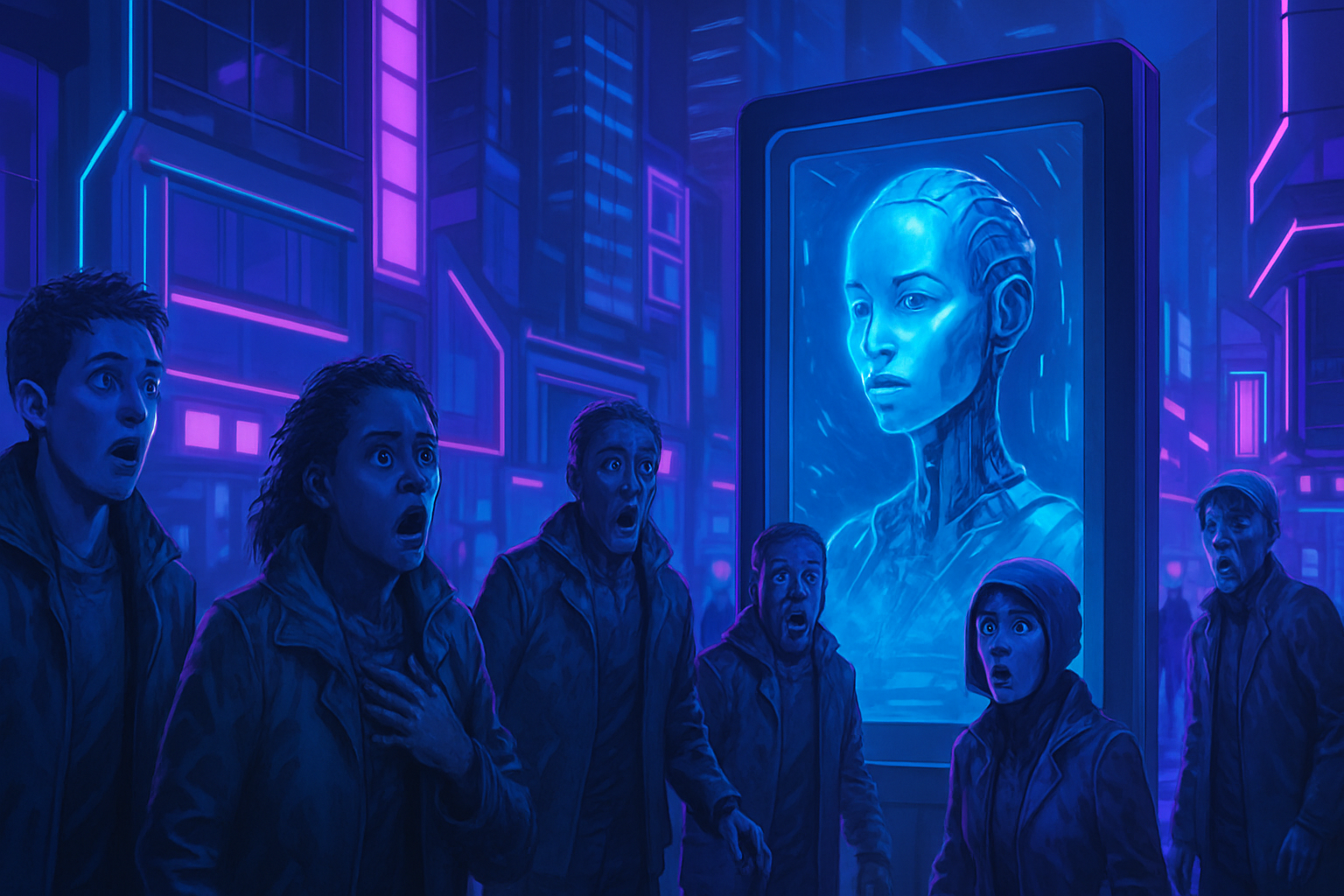


Making art accessible transcends the boundaries of culture and education. The traditional restrictions of classified galleries limit a pool of emerging talents. Inclusivity and the democratization of art open new horizons for everyone. Establishing connections between artists and the public broadens the perception of creativity. The quest for equitable access to art democratizes aesthetics, allowing everyone to feel concerned. The challenge lies in escaping the elitism often associated with this universe, in order to invite a diversity of voices to express themselves fully. Through this process, art becomes a resource of true and shared inspiration.
The Digital Revolution in Art
The art world is undergoing a radical transformation thanks to the emergence of digital platforms. These new solutions challenge the traditional model of galleries, often perceived as elitist. The creation of virtual spaces allows emerging artists to gain visibility beyond geographical borders, paving the way for unique discoveries.
NALA, a platform founded by Benjamin Gulak, stands out in this landscape. This digital system, originally designed in a class at MIT, integrates artificial intelligence to offer personalized recommendations to art lovers. An approach that alters traditional dynamics by showcasing the immense reservoir of unnoticed talent around the world.
The Democratization of Access to Art
This innovative model encourages participation from all, regardless of their level of knowledge in art. NALA aims to be a crossroads where artists, often limited to their local market, can expand their audience. By removing the barriers imposed by traditional galleries, the initiative fosters a genuine cultural exchange.
With more than 20,000 users, the platform has managed to gather over 8,500 artists, thus demonstrating buyers’ appetite for a diversity of accessible works. Artists are thus offered unprecedented visibility while retaining 100% of the sale prices of their creations.
An Equitable and Inclusive Model
The economic model of NALA differs radically from that of galleries. Instead of taking a commission on artists’ sales, NALA charges a commission of 11.5% to buyers. This approach promotes a fairer system, directly prioritizing creators. Benjamin Gulak specifies that his ultimate goal is to make NALA the leading actor in online art sales.
The absence of commissions on artists’ sales creates an environment conducive to the flourishing of creativity. Many artists, viewing the platform as a true support for their careers, can explore new creative paths without the pressure of usual commercial constraints.
Technology in Service of Art
Technology plays a key role in this transformation, making art more accessible. AI-powered recommendation engines allow matching buyers’ preferences with artworks that suit their tastes. Thus, each user can discover pieces that resonate with their personal sensitivity.
NALA also offers buyers the ability to take a photo of a work that inspires them. Through intelligent analysis, the system suggests similar works from its vast repertoire. This is an engaging and innovative way to keep art alive and relevant in the daily lives of enthusiasts.
A Significant Cultural Impact
NALA’s approach is not limited to the simple sale of art. By connecting artists from emerging countries to an international audience, the platform contributes to a vital intercultural dialogue. This phenomenon fosters mutual respect and appreciation for different artistic traditions.
Benjamin Gulak, through his travels and experiences, embodies this philosophy. His commitment to artists goes beyond mere commercial transactions. Each sold artwork represents a bridge between cultures, allowing everyone to deepen their understanding and appreciation of global art.
Frequently Asked Questions
How can I discover contemporary artworks without having to go to traditional galleries?
Many online sites and platforms offer a vast selection of contemporary artworks, allowing users to discover emerging artists and various styles without leaving their homes. These platforms often provide immersive experiences and educational content to facilitate discovery.
What initiatives exist to encourage arts education in disadvantaged communities?
Non-profit arts education programs focus on schools and community centers, offering free workshops, art classes, and resources to help young people engage with art. These initiatives promote access to art and celebrate local creativity.
How can art be further integrated into citizens’ daily lives?
Incorporating art into daily life can be done through public art projects, temporary installations in urban spaces, and local cultural events. Such efforts foster a close appreciation of art and encourage community dialogue.
What are the advantages of using digital platforms to buy art?
Digital platforms offer a greater diversity of works at various prices, removing geographical barriers while allowing buyers to discover lesser-known artists. Additionally, users often benefit from personalized advice through recommendation algorithms based on their tastes.
How can emerging artists access visibility opportunities without the support of traditional galleries?
Social media, collaborative exhibitions, and online platforms are powerful means for emerging artists to showcase their work to a broader audience, directly connecting them with potential buyers and helping them build their reputation.
What resources are available for art lovers looking to learn more about understanding and appreciating contemporary art?
There are many websites, books, and online courses offering resources on art history and aesthetic appreciation. Museums and galleries also offer guided tours and educational workshops to raise public awareness of contemporary art.
How can art events like openings be made more accessible to everyone?
Organizers can consider offering reduced-price tickets, extended opening hours, or online events to enable broader participation. Awareness and targeted communication campaigns can also encourage diverse audiences to participate.
What roles can businesses play to support accessibility to art in society?
Businesses can support art by sponsoring cultural events, offering patronage programs for emerging artists, and creating partnerships with local arts organizations to facilitate access to art.
How can art contribute to social inclusion and cultural diversity?
By presenting artworks from diverse cultures and supporting underrepresented voices, art can foster an inclusive dialogue, enable exchanges of perspectives, and strengthen the social fabric of the community.