

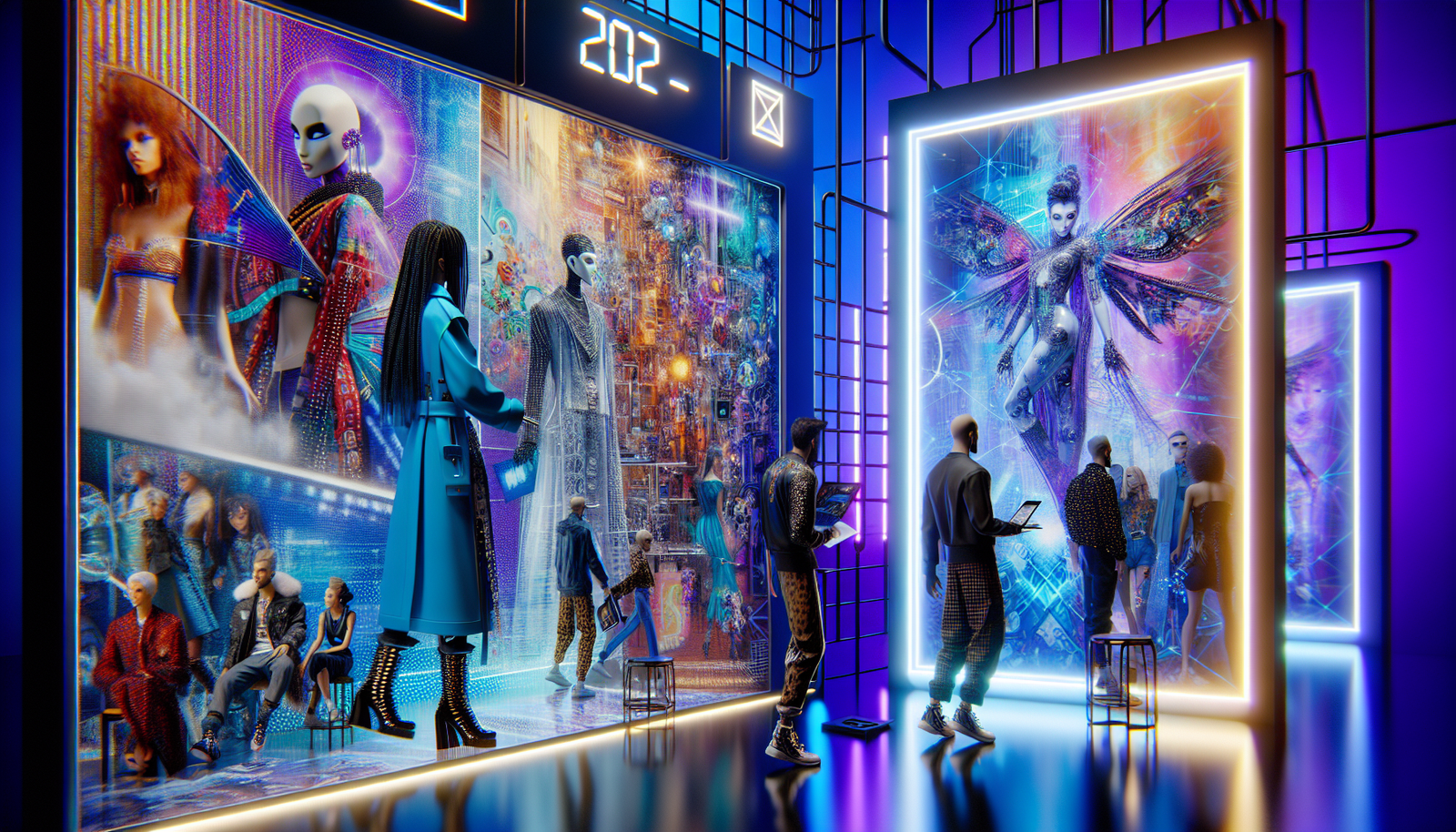
Prestigious events like the Met Gala 2024 reveal the depths of digital illusion. Technology seizes the public image, shaping narratives where reality and fiction intertwine. Fake images of Rihanna and Katy Perry, generated by artificial intelligence, have deceived the eyes of internet users. This dynamic raises crucial questions about authenticity and manipulation in an era where the virtual predominates. What are the consequences for our perception of celebrities? The issues surrounding identity and public image emerge with urgency.
Fake images and their impact
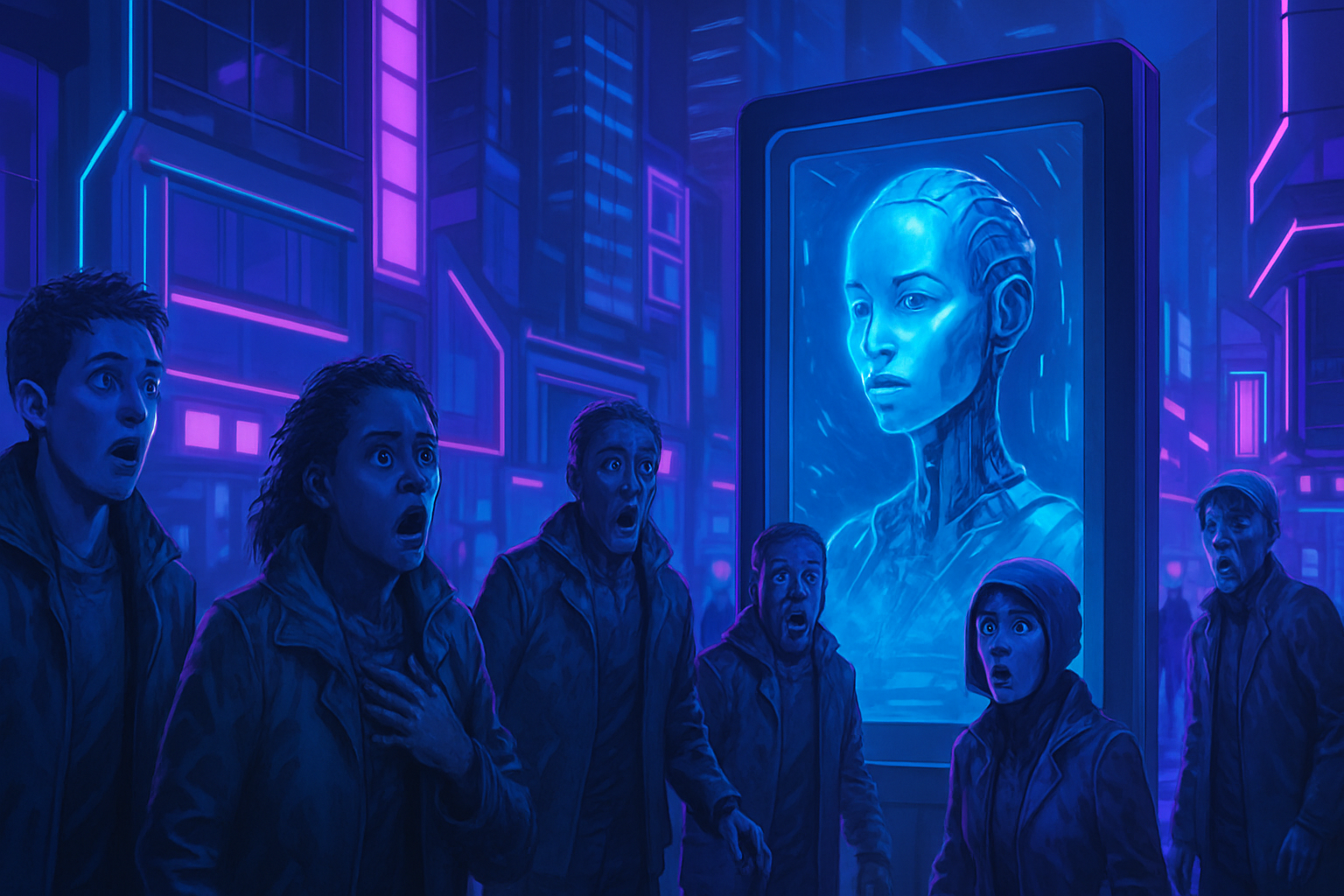
The Met Gala 2024 has recently been the scene of an unprecedented controversy. Artificial intelligence-generated photographs of stars like Katy Perry and Rihanna circulated on social media, deceiving many internet users. These images, of remarkably realistic quality, were produced using advanced AI software. Users shared this content, believing in its authenticity, especially due to the virulence of misinformation.
The absent stars and their false peak
Despite the notable absences of certain celebrities at the gala, social networks fueled the illusion of their presence. Rihanna and Lady Gaga, while having not attended the event, were depicted in live images. The photos shared, which seemed to be captured on the red carpet, sparked excitement among fans. In particular, a misleading montage of Katy Perry captured attention.
Katy Perry, the star of pretense
Katy Perry captivated social media with fake images notably shared on Instagram. One shows her wearing an extravagant floral dress, while another features a dazzling metallic outfit. The quality of these montages led many internet users to confuse fiction and reality. Comments reveal general surprise and admiration: “I really reposted the photo thinking it was real.”
The trap for internet users
Users of social platforms have often fallen for the bait. Messages such as “Oh my God. You are absolutely magical” illustrate the perplexity surrounding this content. Even family members of the singer have been caught in this visual deception. Such enthusiasm highlights the impact of digital tools in shaping the public perception of celebrities.
Concerns about AI
The use of AI in image creation raises essential questions regarding authenticity and the integrity of representations. A large number of internet users have resorted to these tools, either to express their frustration over the absence of their favorite artists or to mock. As a result, fake photographs of figures like Dua Lipa and Selena Gomez have flourished online.
Detecting fake images
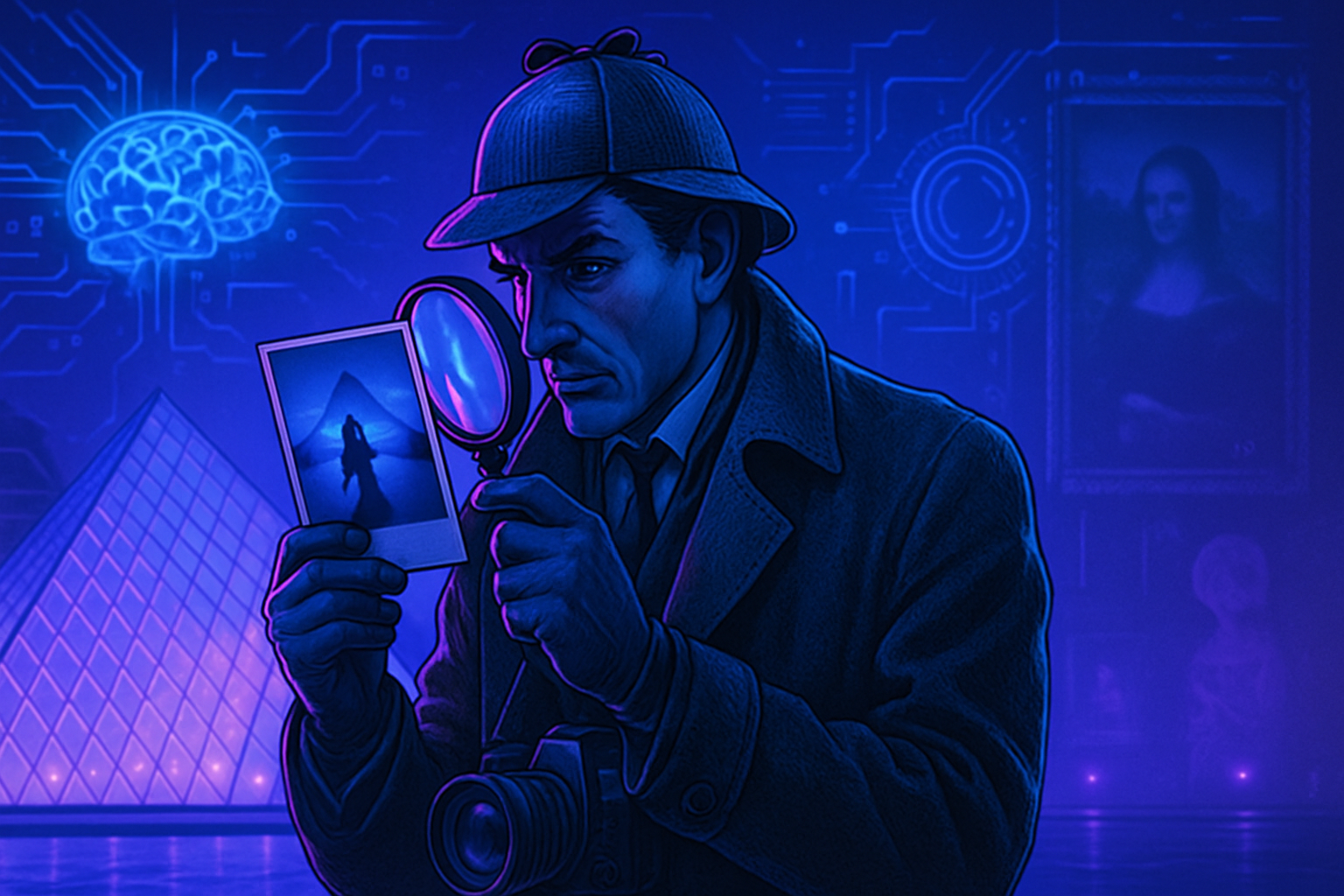
Although AI-generated images often appear very realistic, several clues can betray their artificial origin. The color desynchronization of the red carpet, as well as blurred faces in the background, can alert the suspicious. Captions under posts on X (formerly Twitter) sometimes warn of manipulations performed on the photographs.
An increasingly blurred reality
The proliferation of AI-generated content makes it difficult to distinguish between photographs taken by a traditional camera and those manipulated. The explosion of programs like MidJourney contributes to this growing confusion. Users, already overwhelmed by a mass of images, face challenges of discernment.
Broader implications for technology
The issues raised by this technological evolution go beyond events like the Met Gala. The ability of AI to produce highly realistic images poses fundamental questions about authenticity in the celebrity sector and the perception of public image. The boundary between reality and fiction is gradually fading, prompting a necessary reflection on our relationship with image.
In light of this reality, industry players must consider measures to ensure the legitimacy of portraits created by new technologies. The dynamic between art and technology requires regulation, especially in the context of media where public trust is tested every day.
Frequently asked questions about the Met Gala 2024 and the impact of AI on celebrity images
What is the Met Gala 2024 and why is it important?
The Met Gala 2024 is a prestigious fashion event held annually in New York, bringing together celebrities, stylists, and designers. It is famous for its bold outfits and often provocative themes, making this event a showcase of the latest fashion trends.
How was artificial intelligence used to create fake images at the Met Gala 2024?
Artificial intelligence software was employed to generate highly realistic fake images of celebrities who were not present at the event, such as Rihanna and Katy Perry. These images were shared on social media, deceiving many internet users.
Which celebrities were affected by these AI images at the Met Gala 2024?
The most notable stars with AI-generated images include Rihanna, Katy Perry, Lady Gaga, and others, giving the illusion that they were actually participating in the event while they were not.
Why do some people share these fake images?
Social media users share these images for various reasons, including frustration over not seeing their favorite celebrity, a desire to circulate fun or provocative content, or even a lack of knowledge about digital tools.
How can you tell if an image is generated by artificial intelligence?
To detect an AI-generated image, it is often possible to observe inconsistencies, such as color errors, blurriness around faces, or poorly represented clothing details. Opinions or markers may also accompany images to indicate that they are artificial.
Can AI images from the Met Gala 2024 impact the public image of celebrities?
Yes, these images can influence the public perception of celebrities by creating unrealistic expectations or altering the image they wish to project. This contributes to reinforcing standards of beauty and presence that can be harmful.
What are the risks associated with spreading AI-generated fake images?
Risks include the spread of false information, misinformation, and the manipulation of the public image of celebrities. This can also lead to debates about authenticity and integrity in the fashion industry.
How do social media platforms respond to these AI-generated contents?
Measures are being put in place to warn users about the presence of AI-generated content. However, with the evolution of AI tools, these contents are becoming increasingly difficult to detect, complicating their regulation.