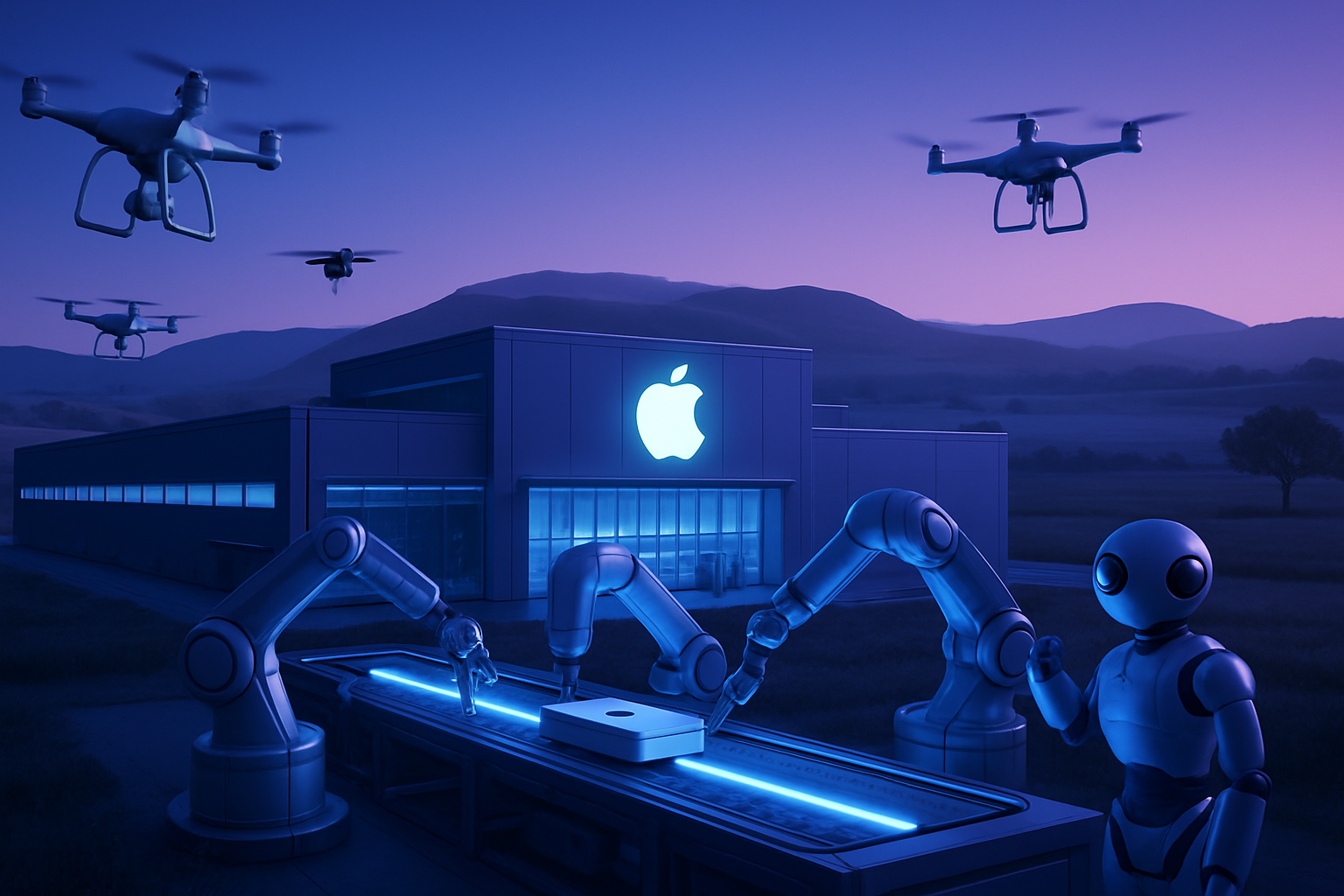


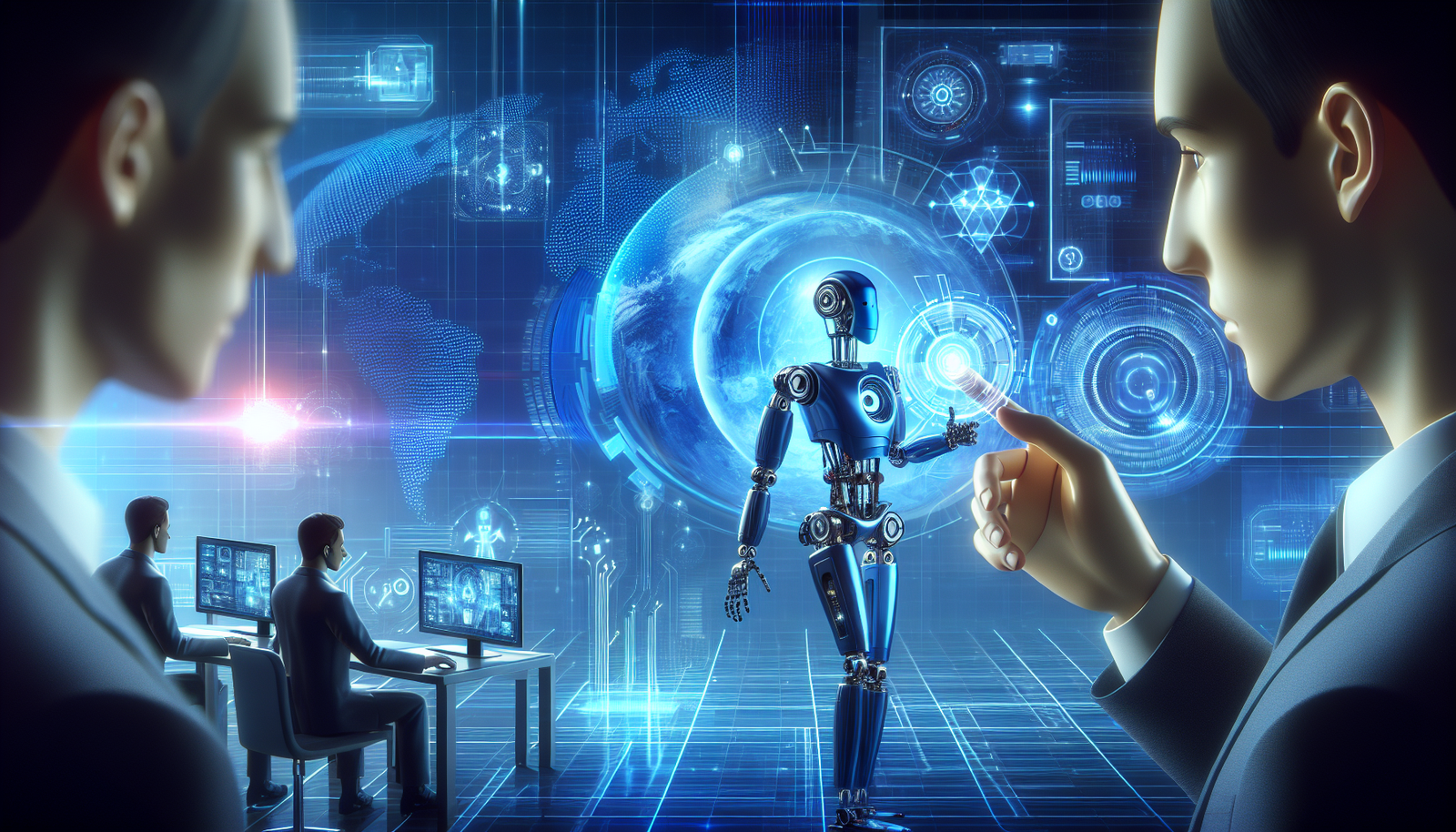
Artificial intelligence is redefining the boundaries of robotics with unprecedented innovations. Companies in this field are making colossal investments to dominate a rapidly expanding market. The integration of AI technologies will transform the way robots interact with humans and their environment.
The challenges ahead are immense, as each technological advance must be anticipated and framed to avoid abuses. The interconnection between AI and robotics is shaping the industrial landscape of the future, promoting agile and adaptive solutions. Economic, ethical, and societal stakes will be decisive in guiding this strong dynamic of innovation.
Technological Advances in Robotics
Artificial intelligence companies are investing heavily in robotics, which is emerging as a new frontier of innovation. The convergence of AI and robotics is transforming various sectors, from manufacturing to healthcare. Innovative projects are emerging, integrating advanced algorithms that enable machines to interact with their environment autonomously.
The Impact of AI Giants on Robotics
Major players like Google, Amazon, and OpenAI are developing robotic solutions incorporating machine learning capabilities. Google recently showcased AI models for controlling robots, thereby enhancing their operational efficiency. These innovations not only automate repetitive tasks but also allow complex missions to be accomplished.
Practical Applications of Intelligent Robotics
Robots integrated into AI systems are already deployed in industrial environments, optimizing logistics and supply chains. For instance, computer vision enhances accuracy in identifying and manipulating objects. This technology has also found applications in the medical field, where robots assist surgeons during delicate operations.
Teaching Limits to Robots
New approaches consist of teaching robots to identify their capabilities and limitations, thus ensuring safe interaction with humans. This learning is essential for developing robots capable of working randomly without constant supervision. The safety of human-robot interaction becomes a sector priority.
Startups in Full Swing
A multitude of startups is emerging in the field of robotics, supported by substantial funding. Companies and investors recognize the potential of humanoid robots and cobots, leading to a true revolution. For example, projects like Sony’s aibo robot, which could soon perform sophisticated dance routines, demonstrate how robots interact in a more social and engaging manner across various contexts.
The Stakes of AI in Robotics
The increased integration of AI raises various ethical and social questions. Concerns regarding automation and its impact on employment remain strong. AI companies must navigate a complex landscape where technical innovation must align with ethical considerations. That is why some entities are formulating policies aimed at ensuring responsible development of these revolutionary technologies.
Trends to Watch
By 2025, the landscape of artificial intelligence and robotics will continue to evolve rapidly. The merging of several fields of expertise will enable new applications, indicating promising developments in the areas of computer vision, machine learning, and intelligent perception. Collaborations between AI and robotics will be crucial for addressing future challenges.
Questions and Answers on AI Companies Exploring Robotics
What are the major artificial intelligence companies investing in robotics?
Companies such as Amazon, Google, Microsoft, and OpenAI are among the leaders in the field, developing innovative robotic solutions and integrating AI to improve the efficiency and versatility of robots.
How does artificial intelligence enhance the capabilities of robots?
AI enables robots to process large amounts of data, learn from their interactions with the environment, and perform complex tasks autonomously, making robotics more adaptable and useful across various sectors.
What challenges do AI companies face in integrating robotics into their strategies?
Challenges include the need to ensure the safety of robotic systems, managing development costs, and training the workforce to interact effectively with new technologies. Ethics and regulation are also major concerns.
How do developments in robotics influence the healthcare industry?
Advances in AI-driven robotics enhance medical care through more precise surgical robots, automated logistics systems in hospitals, and assistive devices for patients, thereby optimizing care outcomes.
How is robotics changing the way companies operate?
Robotics, integrated with AI, automates repetitive processes, improves productivity, reduces human error, and allows employees to focus on higher-value tasks, thereby transforming companies’ operational models.
What future for the collaboration between humans and robots in the workplace?
The future envisions a harmonious collaboration where robots and humans work together, with robots taking on tedious or dangerous tasks while humans concentrate on creative and decision-making aspects, fostering productive synergy.
Do AI-powered innovations in robotics represent a risk to employment?
Although some tasks may be automated, innovations in robotics also create new jobs, particularly in maintenance, design, and management of robotic systems, while transforming existing roles.
How do AI companies work to ensure the safety of robots?
Companies adopt rigorous safety protocols, including thorough testing of robotic systems, implementing safety measures in design, and training personnel on the secure use of these technologies.
What is the importance of collaborative research between AI companies and academic institutions in this field?
Collaborative research fosters innovation by combining the technical expertise of companies with the theoretical knowledge of academics, facilitating the development of advanced robotic technologies and fostering significant progress towards the secure integration of AI.
What are the current trends in the application of robotics by AI companies?
Current trends include the development of autonomous robots for varied environments, enhancing the sensory perception of robots through AI, and exploring robotic solutions for customer service and logistics.