

The electoral deadlines are approaching, and the strategy of the National Rally (RN) is unfolding through unexpected channels. Mysterious influencers on TikTok are raising their voices for far-right ideas, sublimating the speeches of support for their aunt, Marine Le Pen. These young women, with faces shaped by artificial intelligence, propagate propaganda skillfully disguised that appeals to young voters. The shadow of digital influence extends, transforming social networks into a political arena where manipulation becomes a crucial issue.
Propagation of propaganda as elections approach
Fake accounts, pretending to be nieces of Marine Le Pen, are emerging on TikTok. These young women sport a similar appearance to their “aunt,” while praising Jordan Bardella and far-right ideas. The rise of these artificial influencers coincides with the approach of the European elections, fueling concerns about the manipulation of public opinion.
Fictitious accounts powered by artificial intelligence
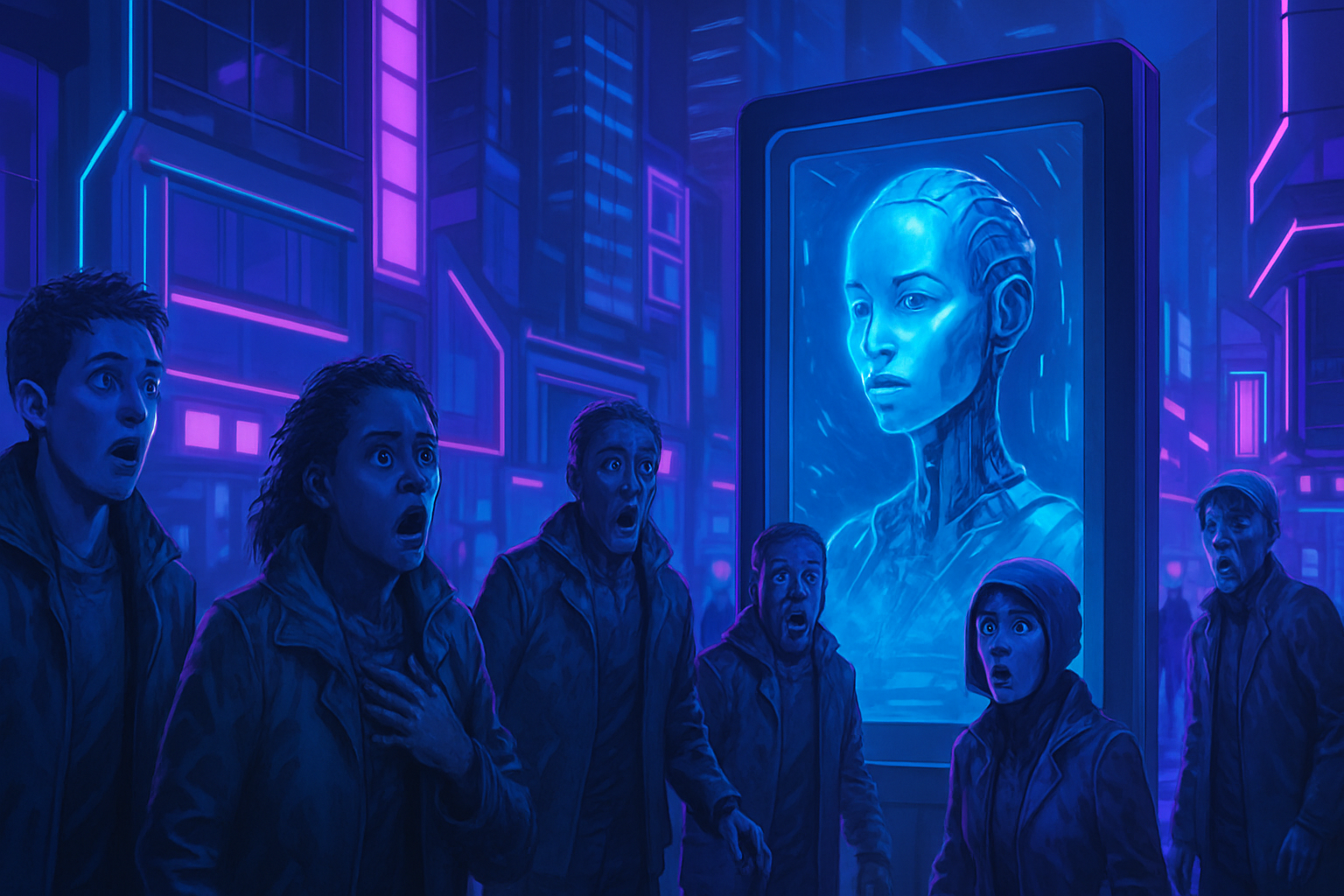
These profiles, such as those of Amandine, Léna, or Chloé, display disturbingly similar features to Marine Le Pen. However, a note at the bottom of the screen indicates: “content generated by AI”. In reality, these videos belong to the technique of deepfake, a method that misleads by visually reproducing the appearance of real people.
Mechanism for creating fake influencers
The accounts of Amandine Le Pen and others like them exploit the visuals and presentation styles of known influencers. By merging the physical characteristics of figures like the Le Pen family, these fake accounts become convincing. This method raises ethical questions regarding the veracity of the content being circulated.
Political actors’ reactions
Jordan Bardella, president of the National Rally, expressed his concern regarding these digital manifestations during his meeting in Royan. His assertion: “We will see the legal actions we will take against this malicious use”, seeks to dissociate the party from the orchestrators of this disinformation campaign. The legal implications of such manipulations remain unclear, but calls for regulation are growing.
Impact on the current political climate
These fake accounts, which have amassed a considerable number of followers, fit into a pre-electoral dynamic. The anticipation of a victory for the RN in the June European elections could galvanize young voters, an audience easily influenced by this type of content. The strategies employed by the RN boldly meet the new digital trends.
Viral techniques serving the far-right
These videos rely on the most popular codes of social networks. Trendy music, engaging dances, and provocative comments make the content appealing. “Mohamed is the guy who insults the RN, but who ends up in my DM”, jokes Amandine Le Pen in one of her posts.
A concerning phenomenon
The proliferation of deepfakes raises questions about the principles of authenticity and ethics in political communication. As indicated by Swiss Radio and Television, the creation of these profiles seems to reflect a larger strategy on the part of the RN to capture the attention of young voters. The emergence of such content calls for a thorough reflection on their regulation.
Future challenges of disinformation
The coming months will shape an electoral landscape influenced by these new practices. The rise of the use of sophisticated media like deepfakes in political campaigns could disrupt traditional forms of civic engagement. Voters need to be alert and critical in the face of the proliferation of content created exclusively to manipulate perceptions.
For further insights into these concerns, you can consult articles related to deepfakes and their impact, as well as the launch of virtual beauty contests which challenge current beauty standards.
FAQ on the influence of fake influencers on TikTok for the National Rally
What are the fake influencer accounts that support the National Rally on TikTok?
Fictitious accounts such as those of “Amandine,” “Léna,” or “Chloé” present themselves as nieces of Marine Le Pen. These accounts use videos generated by artificial intelligence to promote the ideas of the National Rally.
How do these influencers manage to reach a large audience on TikTok?
These fake accounts incorporate viral elements such as popular dances, trendy music, and engaging content while disseminating far-right messages, which attracts the attention of young users.
What is the impact of these fake influencers on young voters?
These influencers aim to manipulate public opinion by presenting pro-National Rally messages as entertaining content, which can influence the political views of young voters before the elections.
What is the National Rally’s response to the emergence of these accounts?
Jordan Bardella expressed concerns about the malicious use of these fake accounts and mentioned the possibility of legal actions while calling for regulation of artificial intelligence.
Are the videos of these fake influencers really produced by real people?
No, these videos are “deepfakes,” meaning content generated by artificial intelligence tools that use faces created from multiple photos and not from real individuals.
What are the ethical risks associated with the use of deepfakes in politics?
The use of deepfakes raises major ethical questions, particularly regarding misinformation, manipulation of public opinion, and the reputational damage to real people, which could have consequences for the electoral process.
How can users report these fake accounts on TikTok?
Users can report the accounts by using the “Report” feature available on the platform, providing information about deceptive or malicious behaviors to help remove them.