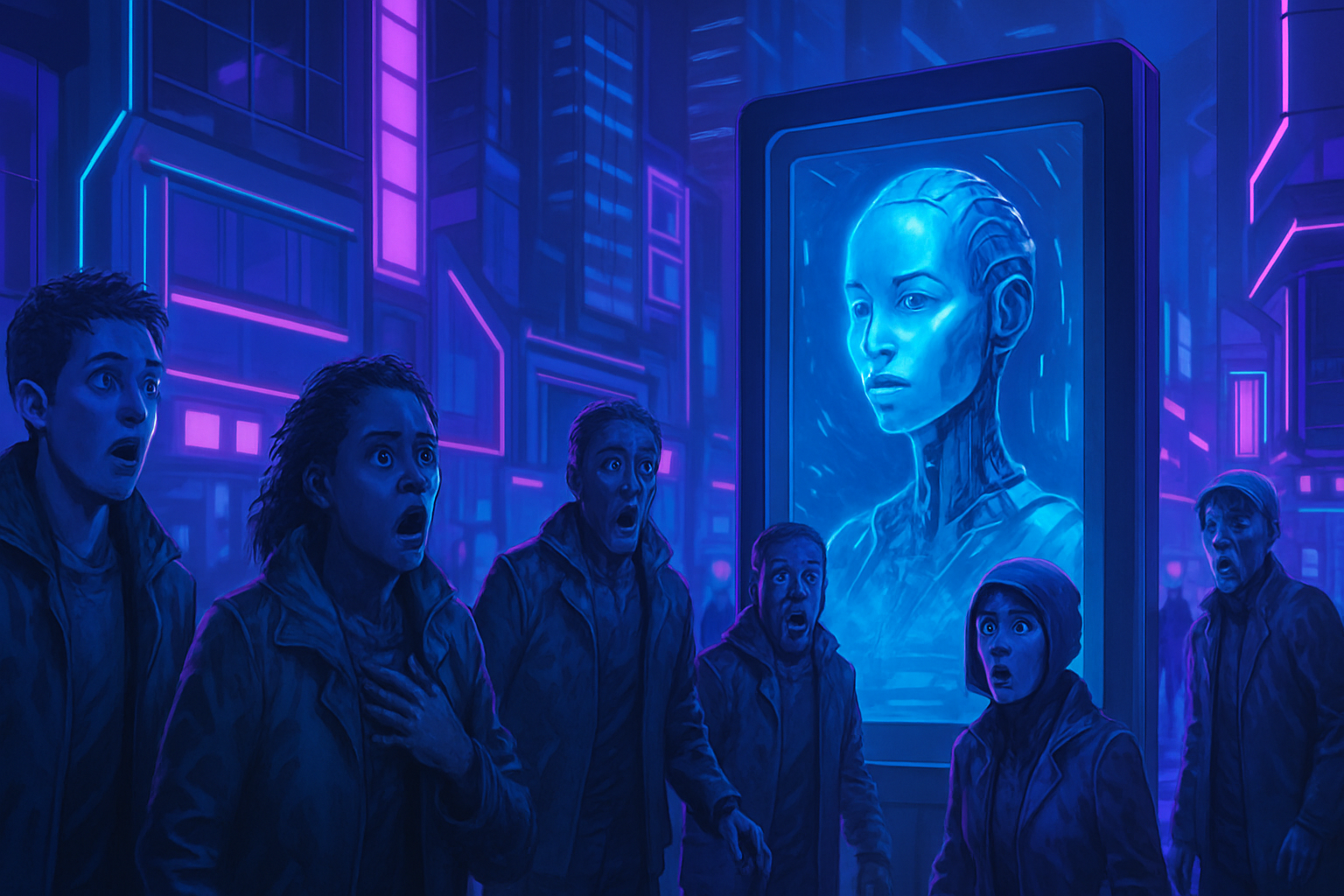


The dichotomy between prohibition and practice evokes indignation. Students and teachers clash over artificial intelligences, a hot topic in higher education. Rules are distorted, practices oppose each other. The ban on using ChatGPT for students, awkwardly juxtaposed with its use by teachers, reveals unsuspected tensions. This duality raises major ethical and pedagogical issues. Students struggle to accept methods they perceive as unfair and hypocritical.
Student protests against the use of AI by teachers
The rise of generative artificial intelligences in academia sparks heated debates. A significant event recently shook Northeastern University in Boston. A student, Ella Stapleton, expressed her dissatisfaction with a teacher using ChatGPT for course preparation, while simultaneously forbidding its use in class.
An emblematic case that questions
Ella Stapleton, in her final year of a management program, contacted the New York Times to share her outrage. Her request for a reimbursement of tuition fees amounting to $8,000 highlighted the perceived inconsistency in teaching methods. “He forbids us to use it, then he uses it himself,” she justified, illustrating the sense of injustice among students facing this double standard.
This situation triggered numerous reactions on social media. Stapleton’s statements resonated with those of other students, fueling a collective movement advocating for the equitable use of AI tools in academia. The debate raises fundamental questions about ethics and equal access to technology in education.
Growing use of AI by teachers
A recent report by researchers Frédéric Pascal and François Taddei reveals that 49% of higher education teachers integrate artificial intelligence into their pedagogy on a weekly basis. This figure indicates a massive adoption of digital tools to enrich learning experiences, even as it provokes unrest among students.
The impact on the teacher-student relationship
The dichotomy between teachers’ practices and students’ expectations represents a source of tension. Young learners, often in direct contact with these technologies, express reservations about teachers exploiting the same resources they are supposed to avoid. This situation questions the existing pedagogical model and its implications for trust in academic authority.
Mobilized students
Faced with this ambiguity, student movements are beginning to emerge. They are calling for clear policies regarding the use of artificial intelligences in education. Their demands go beyond the mere appearance of equity. They want to see an inclusive dialogue established between teachers and students about the benefits and risks associated with these technologies.
The mobilization of students may signal a turning point in the perception of AI in the educational environment. They do not wish to be left out of decisions that affect their learning and their rights as consumers of knowledge.
The challenges to overcome
The current situation underscores the need for a robust ethical framework around the integration of artificial intelligences into the academic curriculum. Teachers must navigate carefully between using these tools to enhance teaching while respecting students’ expectations for equitable and transparent pedagogy.
The criticism voiced by figures like Ella Stapleton may represent a collective awareness of the inadequacy of traditional methods in the face of new technologies. This undoubtedly requires a reevaluation of educational approaches in the digital age.
Questions and answers about the use of AI by teachers
Why do some teachers forbid students from using ChatGPT?
Teachers fear that using ChatGPT may hinder students’ learning by promoting intellectual laziness and limiting the development of essential skills.
What are students’ concerns regarding the use of AI by their teachers?
Students are concerned that teachers who prohibit AI while using it themselves create inconsistency in learning, leading to feelings of injustice and frustration.
How can students express their concerns regarding the use of AI by teachers?
Students can address student councils, organize open discussions, or use social media to raise awareness of their disagreement and demand a revision of academic policies.
What consequences may arise from students’ revolt against the unequal use of AI in courses?
This revolt may lead to institutional debates about the ethics of education, the need for clear policies regarding the use of AI tools, or even changes in how courses are structured.
Should higher education institutions establish clear guidelines regarding the use of AI in teaching?
Yes, clear guidelines are essential to govern the use of AI in the classroom to ensure fairness between students and teachers and to protect academic integrity.
How can teachers integrate AI ethically and equitably into their teaching?
Teachers should be transparent by informing students of the use of AI, limiting its use to appropriate contexts, and teaching how to use it constructively within the educational framework.
What are the benefits of generous use of AI in education?
Appropriate use of AI can enrich the educational experience by facilitating access to information, supporting increased personalization of learning, and alleviating the workload of teachers.
How can students develop their skills despite the use of AI by teachers?
Students should strive to cultivate their critical thinking and learn to use AI as a complementary tool while continuing to actively engage in their traditional learning.