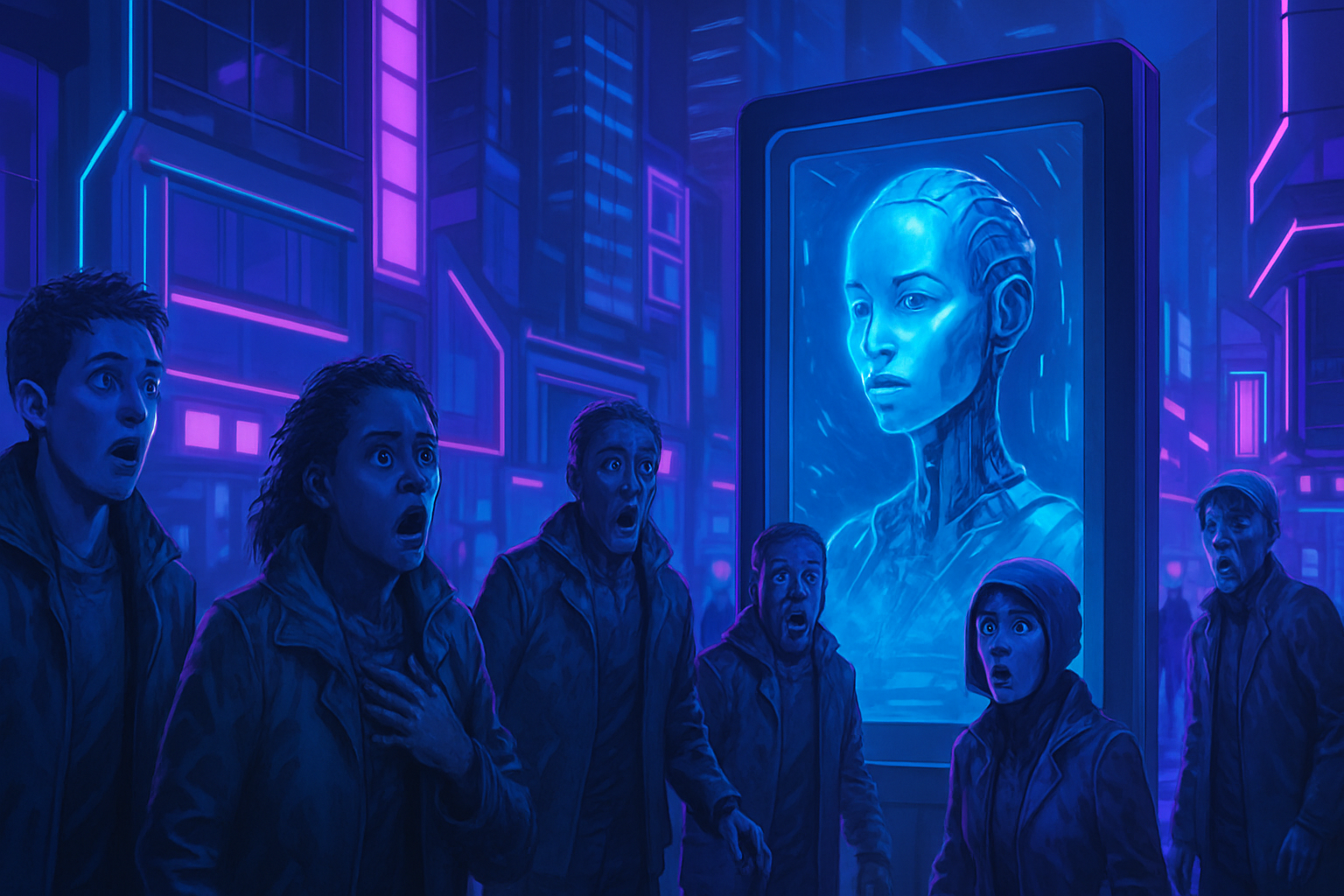


Clanker! This pejorative term towards robots is infiltrating social networks and prompting reflection. Designating an affront to artificial intelligence, this word raises fundamental ethical and societal issues. Widespread use or real contempt? The depreciation of machines questions our perceptions and our relationship with technology. This linguistic phenomenon underscores our own anxieties in the face of relentless digital advancement. Genuine insult or mere distraction? This question deserves sustained attention, as it reveals the complexity of our humanity.
Origin of the term “clanker”
The term clanker finds its roots in popular culture, particularly within video games and science fiction series. Initially used to derogatorily designate combat androids in a Star Wars game in 2005, the word gained notoriety thanks to the Clone Wars series. This popularity later extended to platforms like Reddit, TikTok, and various memes on social media.
Usage and scope of the insult
Used to refer not only to robots and artificial intelligence systems, the term clanker is often employed to express broader dissatisfaction with technology. User frustrations, in the face of an increasingly intrusive technological landscape, manifest through this insult.
Societal consequences
The rise in popularity of this term raises questions about its implications. Insulting artificial intelligences could normalize negative attitudes towards technological entities already considered marginal. Some linguists, such as Adam Aleksic, emphasize that the use of clanker could fuel discourse similar to that of racial discrimination.
The relationship between humans and AI
Critiques of AIs are based on various reasons. Many denounce their ability to generate false information, to produce content deemed low quality, or simply to lack a human essence. This dynamic can lead to reflection on how AI and humans coexist in an ever-evolving technological world.
Evolution of perceptions
Over time, the use of terms like clanker could be seen as an unfortunate reaction to a changing societal situation. Some observers envision a future where these insults will backfire on those who use them, leading to feelings of regret and embarrassment over a past steeped in contempt.
Reflection on technology and its consequences
In a context where artificial intelligence could potentially surpass human capabilities, reflection on ethical and moral notions becomes essential. Concerns about the dominance of powerful AIs prompt questions about how humans interact with these technologies. What will be the long-term ramifications of these linguistic abuses?
To learn more
To delve deeper into this issue, articles are available. These analyses explore not only the rise of the term clanker but also its impact on our perception of technologies. Readers can consult sources such as actu.ai and actu.ai for enriching perspectives.
Common questions about the term “Clanker”
What does the term “Clanker” mean and where does it come from?
The term “Clanker” is a pejorative word primarily used to refer to robots, and it originates from a Star Wars game in 2005, as well as from the Clone Wars television series. It has been popularized through social media and memes.
Why is “Clanker” considered offensive?
“Clanker” is considered offensive because it denotes a contemptuous attitude towards robots and, by extension, artificial intelligences. Such an insult can reinforce stereotypes and negative behaviors towards non-human entities.
Can using the word “Clanker” harm robots and artificial intelligences?
Issuing insults like “Clanker” may help normalize a form of discrimination against robots, which could lead to harmful behaviors in the future, especially in a context where these technologies are becoming increasingly integrated into our society.
Do insults like “Clanker” resemble other forms of racism or discrimination?
Some discussions suggest that the use of terms like “Clanker” might be associated with racial insults, fueling a culture of contempt reminiscent of historical discriminations against marginalized groups.
Why do some people choose to use the term “Clanker” to describe artificial intelligences?
People may use “Clanker” to express their frustration towards AIs that generate erroneous information or low-quality content. It may also reflect a broader fear of technology threatening traditional jobs.
Is there a debate around the morality of using the term “Clanker”?
Yes, there is an ethical debate regarding the use of this term. Some believe that insulting artificial intelligences is a way to project our own anxieties and to grant them a form of humanity they do not deserve.
Can we make jokes or memes about “Clankers” without being offensive?
While humor can be subjective, it is crucial to consider the impact of these jokes. Memes that mock “Clankers” can reinforce negative attitudes toward robots and AIs, and it is preferable to approach this type of content with caution.
Could “Clankers” someday develop awareness or react to these insults?
For now, artificial intelligences like chatbots do not possess consciousness. However, some researchers suggest that significant advances in artificial intelligence could provoke reflections on ethics and the treatment of robots in the future.