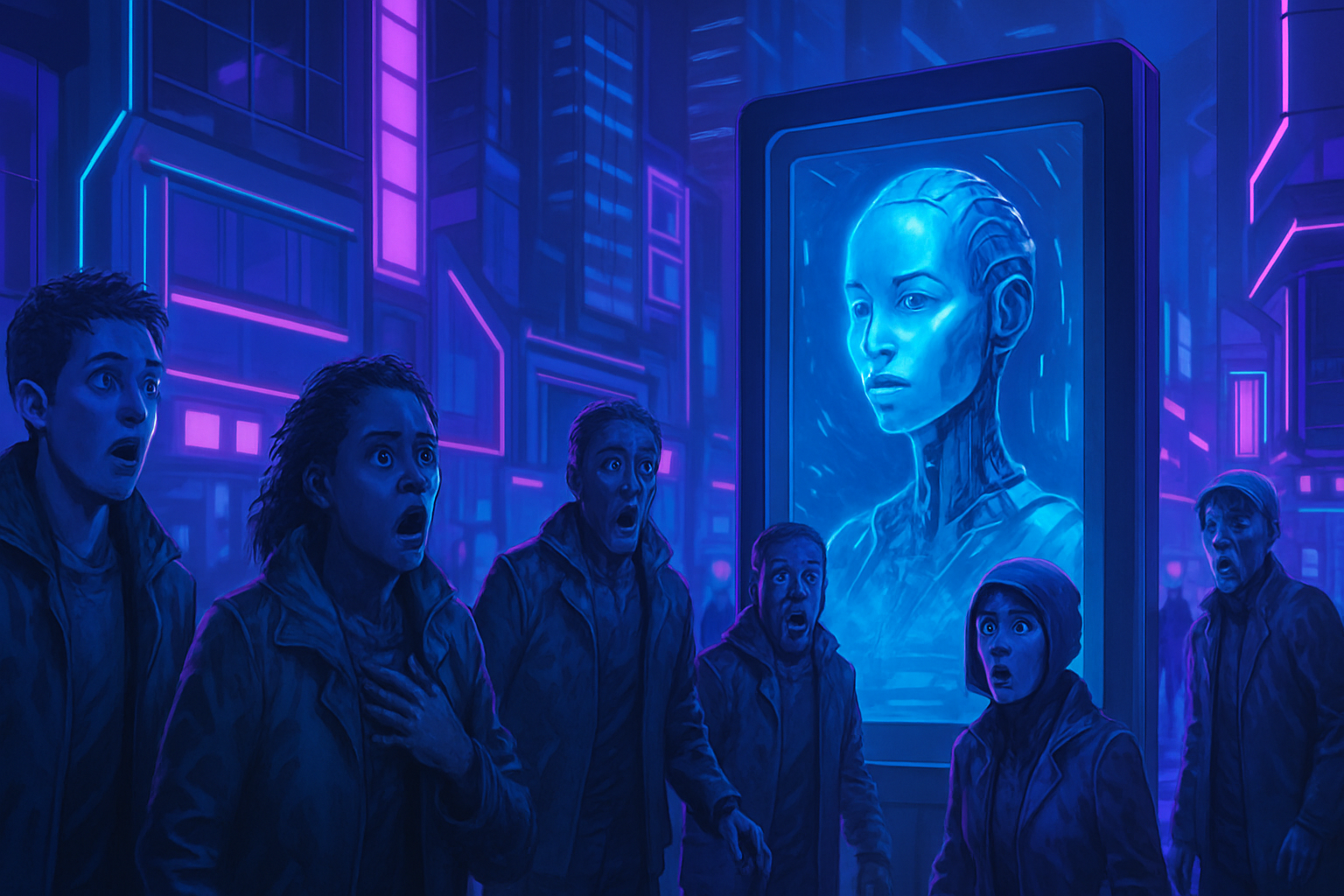


The fusion of artificial intelligence and history raises essential questions about our collective memory. Algorithms, by rewriting narratives of the past, redefine our understanding of significant events. This digital revolution leads to a new paradigm where the choice of historical narratives becomes a crucial issue. How are these technologies transforming the way we perceive our cultural and historical heritage? Narratives, once fixed, can now be shaped by <>, sparking a debate about authenticity and memory.
Artificial Intelligence in Historical Narration
Advances in artificial intelligence are revolutionizing our perception of the past. Each month, algorithms produce recreative videos that sensationalize historical events. These works, shared on platforms like YouTube and TikTok, simplify complex narratives. However, they raise questions about the accuracy of the information conveyed and the risk of gross inaccuracies.
An Engaging Yet Risky Narrative
The created content often exploits stories that are more entertaining than rigorous, highlighting the spectacular. Assassinations, conspiracies, and intrigues overshadow less accessible aspects such as fiscal policies. The emperor Nero and his young slave Sporus, subjects of a video, embody this tendency to seek the dramatic in the past. Thus, the choice of subjects illustrates a desire to capture attention at the expense of historical accuracy.
The Actors of the Rewriting
Channels like Story Rays or Voices and Destinies actively participate in this transformation of collective memory. Using generative artificial intelligences, they narrate incredible historical stories in just a few minutes. These media aim to provide an immersive experience that, while appealing, risks distorting the perception of the past. Consequently, the line between education and entertainment becomes increasingly blurred.
The Impact on Memory Politics
Using AI in historical narration also changes the stakes of collective memory. With automated productions, new discourses emerge, questioning how society remembers significant events. Simplified narratives occupy a large space in the public debate and influence the understanding of history.
Illuminating Studies on AI
A recent MIT study reveals that the use of tools like ChatGPT leads to a significant reduction in brain activity. This finding raises concerns about the cognitive capacity of individuals faced with a continuous flow of pre-packaged information. The growing dependence on AI-generated narratives poses ethical and methodological questions. Can the search for historical truth really coexist with the algorithmic processing of narratives?
Future Perspectives
The ramifications of using AI to narrate our history open the door to new challenges. A deep reflection on the ethics and responsibilities of content creators is necessary. At the same time, highlighting rich and nuanced historical narratives will become essential to enrich our collective understanding. Technology must serve an educational purpose without sacrificing the inherent complexity of past facts.
Frequently Asked Questions
What is AI in the service of history?
AI in the service of history refers to the use of algorithms and artificial intelligence systems to analyze, interpret, and present historical events. It enables the creation of educational and engaging content while facilitating access to historical knowledge.
How do algorithms influence our perception of the past?
Algorithms select, filter, and prioritize historical information shared online, thereby shaping our understanding of the past. By highlighting certain narratives and minimizing others, they can alter our collective memory.
What are the risks associated with using AI in history?
The main risks include the spreading of misinformation, biases in algorithms that can lead to a distorted representation of history, and the potential forgetting of important narratives that are not sufficiently publicized.
How can AI improve the teaching of history?
AI can personalize learning, make historical narratives more engaging through interactive and visual formats, and provide more comprehensive analyses using complex data, thus allowing for a better understanding of past events.
What types of historical content are generated by AI?
AI produces a variety of content, including explanatory videos, articles, infographics, and virtual reconstructions. These contents are often aimed at making history accessible and engaging to a broad audience.
Is it possible to verify the accuracy of historical narratives created by AI?
It is essential to exercise caution. Although some platforms credit their sources, it is recommended to cross-reference information with recognized academic works or history experts to validate the accuracy of the narratives.
How can biases in historical representation by AI be avoided?
To avoid biases, specialists must monitor algorithms and enrich databases with diverse perspectives, including often marginalized voices. This ensures a more balanced representation of history.
Can AI content generators replace historians?
No, AI-based content generators cannot replace historians. However, they can serve as assistance tools, allowing researchers to focus on deeper and more nuanced analyses while utilizing data provided by AI.
What is the future of AI in the historical field?
The future looks promising, as AI will continue to evolve and apply new data analysis techniques. This could lead to revolutionary historical discoveries and a more interactive approach to learning history.