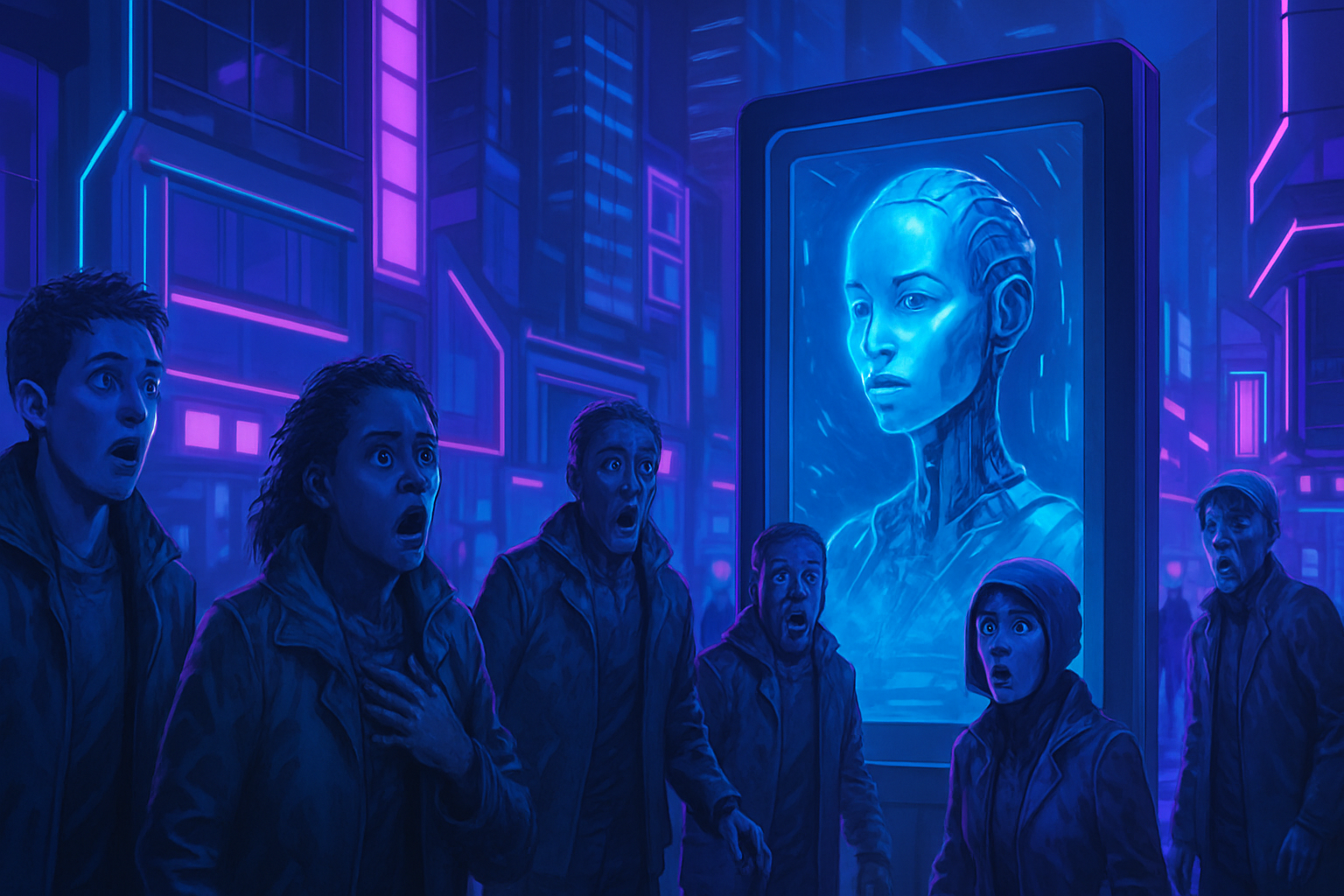


The recent technological advances are sparking fierce debates over _the use of iconic artistic styles_. The creation of _photos inspired by Studio Ghibli_ using ChatGPT is generating a buzz on social media. This dynamic culminates in a fictional warning letter circulating online, reinforcing concerns related to _copyright appropriation_. Users are experimenting with transforming their personal images into animated artworks, but Studio Ghibli is questioning the legal implications. The digital age is redefining the boundaries of creativity while exacerbating the ethical issues that arise.
A Ghibli-inspired photo generator in ChatGPT
The latest update of ChatGPT has introduced a revolutionary image generator that can create artworks in the style of the famous Studio Ghibli. Thanks to OpenAI’s advanced technology, users can now transform their photos into visual representations inspired by iconic films such as My Neighbor Totoro and Spirited Away. This feature has sparked phenomenal excitement on social media, leading to a multitude of unique creations.
Reactions and excitement on social media
Thousands of internet users have seized this new feature to share their images transformed in the Ghibli style. This trend has escalated significantly, with posts going viral within hours. Users are showcasing not only their selfies but also photos of their pets and landscapes, all enhanced by the colorful and magical aesthetic of Ghibli productions.
A mass phenomenon, the sharing of illustrations in the Ghibli style has generated a real buzz, captivating both art enthusiasts and fans of the studio. Social media, flooded with these creations, reflects a growing demand for animated images, blending the realism of photography with the fantasy inherent to Ghibli’s universe.
A fictional letter from Studio Ghibli and its implications
The enthusiasm generated by these transformations has also sparked controversies. A number of artists, concerned about copyright issues, have imagined a fictional warning letter from Studio Ghibli. This document, although fictional, highlights crucial questions related to intellectual property and the use of artificial intelligence in artistic creation.
The creators of this letter aimed to alert the community to potential risks associated with the use of such technologies. Although ChatGPT does not explicitly violate licensing agreements, the ambiguity surrounding copyright raises heated discussions about the future of AI-generated art.
OpenAI facing a growing challenge
OpenAI now finds itself juggling between enthusiastic reactions and growing concerns surrounding its image generator. The volume of images produced has also forced OpenAI’s teams to consider regulations, particularly regarding the use of AI models. Concerns regarding the performance of ChatGPT’s processors are intensifying in light of this new demand.
A recent article has even highlighted this increasing pressure on the company’s technological infrastructure, prompting OpenAI to contemplate measures to manage user flow and the implications of this innovation. The challenge arises not only on the technical front but also legally, as the generated images raise concerns about copyright in the context of digital artistic creation.
Conclusion of the current trend
It is fascinating to observe how technology can inspire so much creativity while raising ethical and legal issues. The trend surrounding Ghibli-inspired images in ChatGPT could pose enduring questions within the artistic community. Stakeholders, whether users, artists, or copyright representatives, will need to collaborate to navigate this new era of digital creation.
For more information on the legal and ethical issues raised by this phenomenon, you can consult articles such as this article.
Frequently asked questions
What is the Ghibli-inspired photo generator in ChatGPT?
It is a new tool integrated into ChatGPT that allows users to transform their photos into images in the graphic style inspired by Studio Ghibli, famous for its animated films.
How to use ChatGPT’s image generator to create Ghibli-style photos?
To use this tool, simply upload a clear photo on the ChatGPT platform, then select the option to transform it into Ghibli style.
Are there concerns about copyright related to generated images?
Yes, many users are raising concerns about copyright, given that the images are inspired by a protected work without explicit licensing agreement with Studio Ghibli.
Why have fictional warning letters from Studio Ghibli become popular?
These fictional letters are circulating on social media as a joke, playing on the concerns over copyright violations related to the use of the generator to produce Ghibli-inspired works.
What types of photos can be transformed into the Ghibli style?
Practically any type of photo, including selfies, pet images, or landscapes, can be transformed to adopt the distinctive visual style of Ghibli films.
Is this ChatGPT feature accessible to all users?
Currently, this feature is available to users who have access to the latest version of the GPT-4o model of ChatGPT.
Can the generated images be used for commercial purposes?
Given the concerns related to copyright, it is advised not to use these images for commercial purposes without obtaining proper permissions.
How significant is the buzz around the generated images in the Ghibli style?
The buzz is considerable on social media, where thousands of users are sharing and discussing generated images, exacerbating concerns about the use of protected works.
Will ChatGPT provide updates regarding copyright on this feature?
There is currently no official announcement regarding updates on copyright, but users are encouraged to stay informed through OpenAI’s communication channels for any clarifications.